
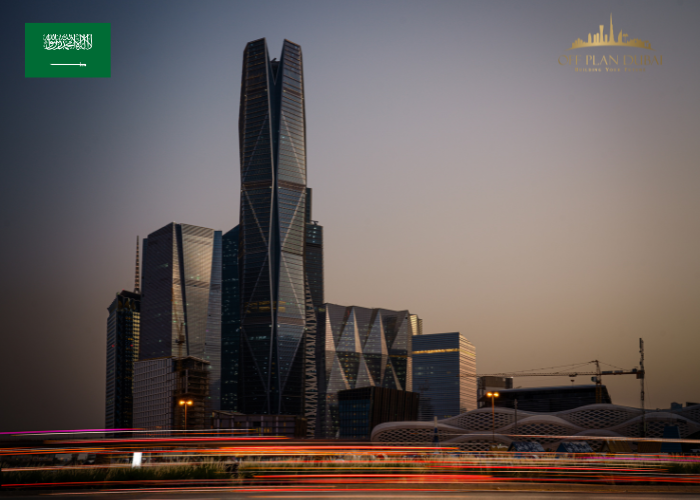
Investing in the real estate markets of Riyadh and Jeddah in 2026 represents a transformative opportunity for international investors. After years of restricted access, Saudi Arabia has enacted major legal reforms that open its property market to non‑Saudi individuals and entities. These shifts, alongside the Kingdom’s Vision 2030 economic diversification strategy, make Riyadh and Jeddah compelling destinations for capital allocation. This comprehensive article explains how investing works, why these cities matter, what advantages and risks to consider, and the essential dos and don’ts for foreign investors eyeing 2026 and beyond.
Saudi Arabia’s real estate sector is undergoing a historic opening. A new law on real estate ownership by non‑Saudis took effect in January 2026, allowing foreigners to own property in designated areas within major cities such as Riyadh and Jeddah for the first time. Previously, foreign ownership was limited to indirect avenues such as the Premium Residency programme or investments through companies and funds, but direct title ownership was generally restricted. Under the updated framework, non‑Saudis can acquire real estate rights in specified zones subject to regulatory compliance and approval from the Real Estate General Authority and other authorities.
Riyadh and Jeddah are strategically significant hubs within Saudi Arabia’s broader economic transformation. Riyadh, the Kingdom’s capital and primary administrative centre, is experiencing rapid population growth, infrastructure development, and commercial expansion. Meanwhile, Jeddah, the country’s principal port city and gateway to the Red Sea, plays a crucial role in trade, tourism, and lifestyle real estate markets. Both cities are focal points of Vision 2030’s goals to diversify the economy away from oil, enhance tourism, and attract foreign capital. Recent international partnerships and high‑profile projects, such as luxury developments in Diriyah near Riyadh and mixed‑use projects in Jeddah, underscore global interest in Saudi real estate.
Under the new real estate law, effective from January 2026, foreign investors can purchase property in designated geographic zones within Riyadh and Jeddah. The law requires registration of ownership with the Real Estate Registry, and non‑Saudi buyers are subject to transaction fees and compliance requirements. Residential ownership by non‑resident foreigners is limited to approved zones, while foreign residents with valid residency permits (iqama) may have additional rights to acquire a single residential property outside designated zones, subject to approval by the Ministry of Interior.
The framework includes specific restrictions. Ownership remains limited or subject to additional requirements in Saudi Arabia’s holy cities—Mecca and Medina—due to cultural and legal considerations. Ownership rights for properties in those cities are generally more constrained or require special approvals. Real estate companies, listed investment entities, and special purpose vehicles may have a broader ability to own property outside restrictions, but must navigate separate regulatory systems.
Investors should also be aware of the costs associated with acquiring property. In addition to standard registration and transfer fees, foreign investors may face additional charges, such as real estate transaction taxes and transfer levies prescribed by law. These can materially affect net returns and investment feasibility, particularly in higher‑value segments.
Riyadh’s Growth Dynamics
Riyadh’s real estate market continues to benefit from major infrastructure and urbanisation projects. The capital’s population is expanding rapidly, driving demand for housing, commercial space, and services. In recent years, authorities have taken steps to address affordability and supply, such as rent controls and increased development incentives. The city’s strategic role as Saudi Arabia’s administrative, business, and cultural hub makes it a magnet for corporate regional headquarters and expatriate professionals. These fundamental drivers can support long‑term growth in property values.
Jeddah’s Strategic Appeal
Jeddah’s allure lies in its position as a major economic and tourism destination. The city serves as a gateway for Red Sea tourism projects and benefits from expansion in the hospitality, logistics, and residential sectors. Initiatives to expand hotel capacity and leisure offerings enhance Jeddah’s appeal for both short‑ and long‑term rental markets. Its coastal character and ongoing development give investors options across asset classes, from beachfront residential to commercial and mixed‑use developments.
The growing pipeline of international real estate projects in these cities further attracts investor interest. Partnerships between global developers and local entities signal confidence in the Saudi market’s potential and are often tailored to international investors’ preferences. These projects can provide entry points in high-end or branded real estate segments.
1. Market Research and Due Diligence
Begin with a thorough analysis of current market conditions, price trends, rental yields, and demographic drivers in Riyadh and Jeddah. Understand local demand patterns, neighbourhood growth projections, and comparative returns relative to other regional markets, such as Dubai. Reliable data and professional valuation services are crucial. Conduct due diligence on specific properties and developers, ensuring clear title and compliance with Saudi laws.
2. Legal and Regulatory Preparation
Engage a qualified legal advisor familiar with Saudi real estate and foreign investment laws. The Foreign Investment Law may intersect with real estate regulations, particularly for company structures or investment vehicles. Ensure you understand registration procedures, required documentation, and timelines for approvals from the Real Estate General Authority (REGA) and other bodies.
3. Financing and Banking
Explore financing options available to foreign investors. Saudi banks may offer mortgage products to international buyers, though terms and approval conditions vary. Many investors opt for cash purchases to avoid financing complexities. Understand local banking regulations, currency controls, and the implications of cross‑border capital movements.
4. Property Selection and Negotiation
Work with reputable local real estate agents and brokers to identify investable assets within designated zones. Focus on properties aligned with investor goals—whether rental income, capital appreciation, or hybrid strategies. Negotiate purchase agreements with clarity on payment schedules, builder warranties, and delivery timelines.
5. Closing and Post‑Acquisition Compliance
Once an agreement is signed, follow the legal process for registration and transfer. Pay applicable fees, taxes, and levies. Ensure that the transfer is recorded in the official Real Estate Registry to secure title. After acquisition, comply with local regulations for property management, rental licensing, and periodic tax reporting.
Do Understand Regulatory Details
Saudi real estate law for non‑Saudis has nuances regarding designated zones and permissible ownership types. Fully understand what kinds of rights you will hold—freehold, leasehold, usufruct, or surface rights—and how these affect use and exit strategies.
Do Build Local Partnerships
Work with established local legal counsel, property consultants, and agents who know the Riyadh and Jeddah markets. Local partners help navigate language, culture, and regulatory frameworks, which can be complex for newcomers.
Do Focus on Strategic Locations
Choose properties in areas with strong infrastructure, accessibility, and long‑term growth potential. Proximity to transport hubs, commercial districts, and lifestyle amenities typically yields better rental and resale outcomes.
Do Factor in Taxes and Fees
Budget comprehensively for all costs—transaction fees, taxes, legal fees, agent commissions, and ongoing maintenance. These can significantly impact net returns.
Do Consider Exit Planning
Have a clear exit strategy before investing. Saudi regulations may influence resale options or repatriation of funds. Understand potential constraints on timing or buyers, particularly in niche segments or restricted zones.
Don’t Ignore Cultural and Legal Context
Saudi Arabia’s legal and cultural environment differs from many Western jurisdictions. Respect local norms in contracts, negotiations, and property use. Cultural sensitivity can enhance business relationships and project success.
Don’t Rush Without a Clear Title
Only proceed once property titles are verifiable and all regulatory approvals are documented. Avoid speculative pre‑registrations or third‑party offers that lack legal backing.
Don’t Overleverage Early
Given that the market’s foreign ownership mechanisms are new, early investors should avoid high leverage on initial deals. Starting with conservative exposure can mitigate risk as practical processes crystallise.
While the opening of the Saudi property market presents opportunities, investors should be mindful of risks. Regulatory frameworks are still evolving, and designated zones may see shifting boundaries or conditions. Compliance costs and additional transaction fees can compress early returns if not properly accounted for. Economic cycles, volatility in oil prices, and geopolitical factors also influence demand and capital flows in the region. Finally, localised risks such as supply constraints or oversupply in certain segments should be evaluated.
Investing in Riyadh and Jeddah in 2026 as an international investor offers a unique blend of opportunity and complexity. Saudi Arabia’s recent reforms have opened doors that were once closed to foreigners, aligning with the Kingdom’s Vision 2030 ambitions to attract global capital and diversify its economy. With clear legal structures, strong economic drivers, and high-profile development projects underway, these cities are poised to become central players in Middle Eastern real estate portfolios.
Success hinges on rigorous due diligence, adherence to regulatory requirements, and strategic positioning within key growth corridors. By following best practices, building local expertise, and respecting the unique business environment of Saudi Arabia, international investors can tap into compelling growth prospects while managing risks in this newly accessible market.
Discover Trump Mansions Riyadh, Trump Plaza Jeddah and our Saudi Arabia Off Plan Investments on these links.

Please enter your details to register your interest. Our investment expert will contact you to discuss the various opportunities, along with unit pricing and availability.


Off Plan Dubai
Suite: 508, Fairmont,
Sheikh Zayed Road,
P O Box 75671,
Dubai, UAE
Off Plan Dubai
167–169 Great Portland Street, 5th Floor, London, W1W 5PF.
The floor plans and brochure for this development will be emailed to you once you request further information from us.
 property@offplandubai.ae
  +44 7595 715 264