
Saudi Arabia’s real estate market has entered a new era. Driven by Vision 2030, regulatory reform and a wave of large-scale development, the Kingdom is increasingly open to international residents and investors. For expatriates living and working in Saudi Arabia, owning property is no longer a general idea or a complex legal challenge. Instead, it has become a realistic long-term option for personal use, capital appreciation, or income generation.
This guide explains how property ownership works for expats in Saudi Arabia, which areas are open to foreign buyers, the benefits and risks involved, and why the Kingdom is becoming one of the most closely watched real estate markets in the region.
Understanding expat property ownership in Saudi Arabia
Historically, property ownership in Saudi Arabia was largely restricted to Saudi nationals. Over the past decade, this has changed significantly. Today, expatriates can legally own property in designated areas, subject to approval and compliance with specific regulations.
Expat ownership is governed by the Foreign Ownership of Real Estate Regulation, which allows non-Saudis to purchase residential and commercial property for approved purposes. The system is designed to attract skilled professionals, long-term residents and international capital, while maintaining structured oversight of land use and urban planning.
In practical terms, this means that expats with valid residency status can buy property in many parts of the Kingdom, particularly in major cities such as Riyadh and Jeddah, as well as within master-planned developments and economic zones.
Who can own property as an expat?
Most expats who own property in Saudi Arabia fall into one of the following categories:
Professionals holding an iqama, or residency permit, through employment or business ownership
Long-term residents with Premium Residency status
Investors purchasing property through licensed development schemes
Foreign companies owning property for operational or staff housing purposes
Premium Residency, often referred to as the Saudi Green Card, has been a major catalyst for expat ownership. It allows eligible foreigners to live, work and own property in the Kingdom without a local sponsor. For high-net-worth individuals and senior professionals, this status provides clarity and long-term security, making property ownership far more attractive.
Where expats can buy property
Location is one of the most important considerations when owning property in Saudi Arabia as an expat. While ownership is permitted, it is not unrestricted nationwide.
Riyadh remains the most popular city for expat buyers. As the political and economic capital, it benefits from strong demand, ongoing infrastructure investment and a rapidly expanding luxury and mid-market residential sector. Areas close to business districts, diplomatic quarters and major lifestyle developments tend to be the most sought after.
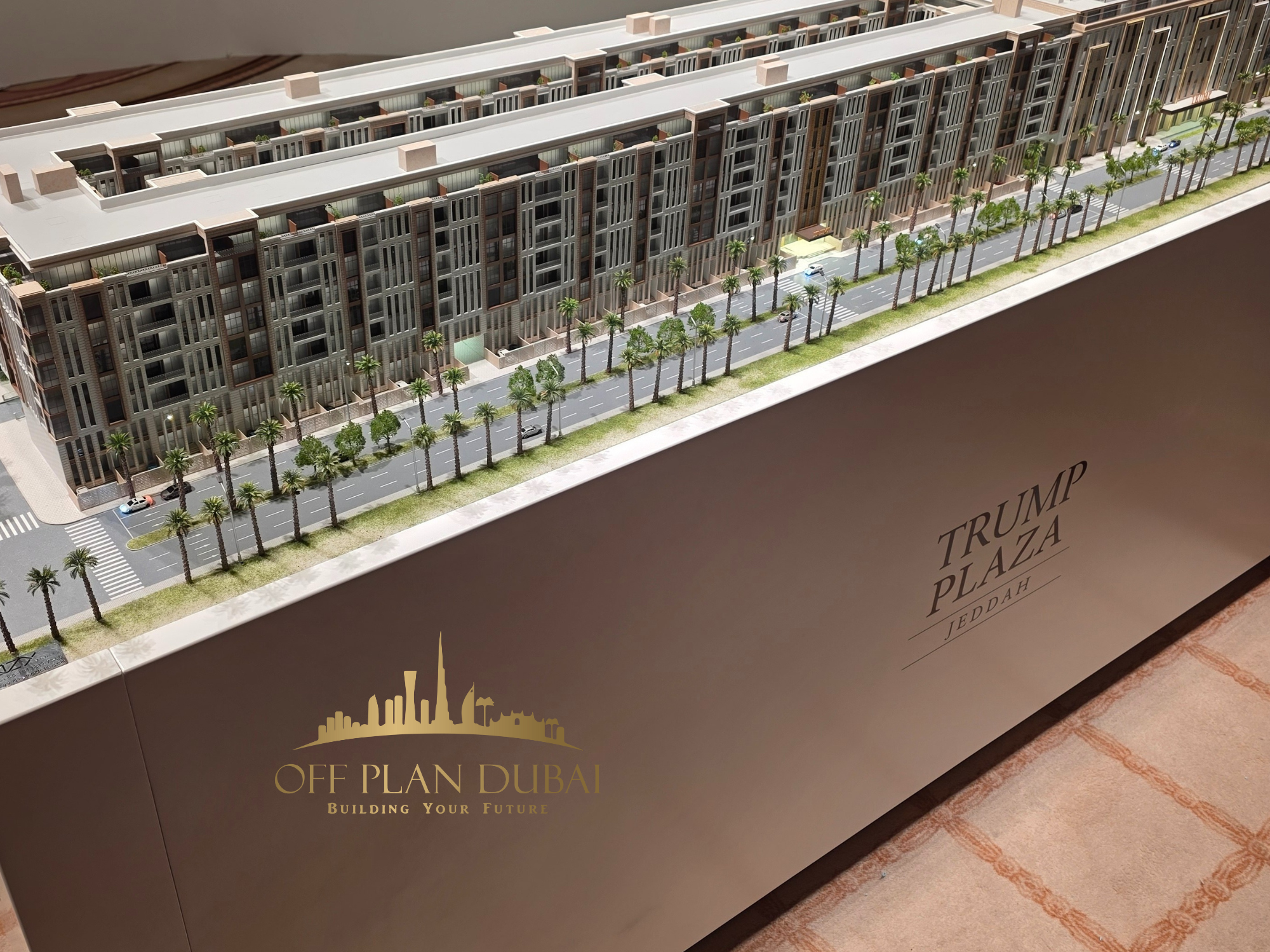
Jeddah is another key market, particularly for international residents who value its coastal lifestyle and historical role as Saudi Arabia’s commercial gateway. New waterfront developments, mixed-use districts and branded residences are reshaping the city’s residential offering and attracting foreign interest.
In addition to these cities, expats can also buy property within approved economic zones, tourism destinations and master-planned communities. These developments are often specifically designed to attract international residents, with clear ownership structures, modern amenities and resale potential.
Makkah and Madinah remain restricted markets. Property ownership in these holy cities is generally limited to Saudi nationals, with very specific exceptions. Expats should always verify eligibility before considering any purchase in sensitive or restricted zones.
Types of property available to expats
Expats in Saudi Arabia can choose from a wide range of property types, depending on location and budget.
Apartments are the most common option, particularly in urban centres. New developments often feature modern layouts, security, parking and shared facilities, making them attractive for both owner-occupiers and investors.
Villas are available in selected areas, usually within gated communities or suburban developments. These appeal to families planning long-term residence and are increasingly popular in Riyadh’s expanding residential zones.
Branded residences and lifestyle developments are a growing segment. These properties are typically part of larger mixed-use projects and offer professional management, hotel-style services and strong resale appeal. For expats familiar with global real estate trends, this segment feels familiar and lower risk.
Commercial property ownership is also permitted for licensed business activities. Some expats invest in offices or retail units linked to their professional operations, particularly in major cities.
The buying process for expats
Owning property in Saudi Arabia as an expat involves a structured but increasingly streamlined process.
The first step is confirming eligibility. Buyers must hold valid residency and ensure the chosen property falls within an approved ownership zone.
Next comes property selection and due diligence. This includes verifying the title, development approvals, zoning classification and developer credentials. Saudi Arabia has made significant progress in digitising land registries, improving transparency and reducing transaction risk.
Approval from the relevant authority is required for foreign ownership. This is usually handled through an online application process, with documentation submitted electronically.
Once approved, the sale agreement is signed, payment is made through regulated banking channels, and ownership is registered with the official land registry. The process is now comparable in structure to many established international markets, although timelines can vary depending on property type and location.
Financing options for expats
Mortgage availability for expats in Saudi Arabia has improved but remains more limited than for Saudi nationals. Some local banks offer home finance solutions to foreign residents, particularly those employed by large companies or holding Premium Residency.
Loan-to-value ratios are typically lower, and documentation requirements are stricter. As a result, many expat buyers purchase property using cash or a combination of savings and financing.
From an investment perspective, this lower leverage environment has helped keep the market relatively stable, reducing speculative risk and excessive price volatility.
Costs and taxes to consider
One of Saudi Arabia’s advantages is its relatively low property ownership costs compared to many global cities.
There is no annual property tax for residential owners. However, a real estate transaction tax is applied at the time of purchase, typically calculated as a percentage of the property’s value.
Other costs include registration fees, legal or advisory services and service charges in managed developments. These are generally transparent and disclosed upfront, especially in newer projects targeting international buyers.
Rental income is subject to tax considerations depending on the owner’s residency status and the ownership structure. Expats should seek professional advice to ensure compliance with local regulations and any international tax obligations.
Why expats are choosing to buy instead of rent
For many years, renting was the default choice for expatriates in Saudi Arabia. This mindset is changing.
Longer-term employment contracts, improved lifestyle offerings and clearer ownership regulations have made buying a practical alternative. In cities like Riyadh, rising rental demand has also shifted the financial equation, with ownership offering better long-term value.
Buying property allows expats to hedge against rent increases, personalise their living space and potentially benefit from capital appreciation as the market matures.
For investors, rental yields in prime locations can be competitive by regional standards, particularly in areas with strong demand from professionals and executives.
Risks and considerations
While the outlook is positive, owning property in Saudi Arabia as an expat still requires careful planning.
Regulatory frameworks continue to evolve. While this generally favours transparency and market growth, buyers should stay informed and work with experienced professionals.
Liquidity can vary by location and property type. Some emerging areas may offer strong long-term potential but slower resale in the short term.
Currency exposure is another factor for international buyers, particularly those earning income outside the Kingdom.
Finally, not all developments are equal. As with any fast-growing market, due diligence on developers, timelines, and delivery quality is essential.
The future of expat property ownership in Saudi Arabia
Saudi Arabia’s long-term strategy is clear. The Kingdom aims to attract international talent, global investment and long-term residents. Property ownership is a central part of that vision.
As more mega-projects are delivered and urban centres continue to evolve, opportunities for expats are likely to expand further. Increased clarity around ownership rights, improved financing options and a growing secondary market will continue to strengthen confidence.
For expats considering a move from renting to owning, or for those looking to invest in one of the region’s most ambitious real estate markets, Saudi Arabia now offers a compelling and increasingly accessible proposition.
Owning property in Saudi Arabia as an expat is no longer the exception. It is becoming part of the Kingdom’s new normal, reflecting a market that is opening, maturing and positioning itself firmly on the global real estate stage.
Discover Trump Mansions Riyadh, Trump Plaza Jeddah and our Saudi Arabia Off Plan Investments on these links.

Please enter your details to register your interest. Our investment expert will contact you to discuss the various opportunities, along with unit pricing and availability.


Off Plan Dubai
Suite: 508, Fairmont,
Sheikh Zayed Road,
P O Box 75671,
Dubai, UAE
Off Plan Dubai
167–169 Great Portland Street, 5th Floor, London, W1W 5PF.
The floor plans and brochure for this development will be emailed to you once you request further information from us.
 property@offplandubai.ae
  +44 7595 715 264