Riyadh is rapidly becoming one of the world’s most important luxury residential markets. Over the last few years, the Saudi capital has moved from being viewed primarily as a government and business city to a global destination for wealth, luxury lifestyle, international investment, and ultra-prime real estate development.
The keyword Luxury Villas Riyadh is becoming increasingly important as the city undergoes one of the largest urban transformations ever seen in the Middle East. Riyadh is no longer simply expanding. It is reinventing itself entirely.
Driven by Saudi Vision 2030, enormous infrastructure investment, international business relocation, population growth, and Saudi Arabia’s opening to foreign ownership and global capital, the demand for luxury villas in Riyadh has entered a new phase.
For decades, Riyadh’s luxury villa market was largely private and domestic. Ownership was concentrated among Saudi families and local investors. International buyers had very limited access. That dynamic is changing rapidly, and the next five years are expected to redefine the city’s luxury residential landscape.
Today, investors searching for Luxury Villas Riyadh are no longer simply looking for a home. They are looking for:
Long-term capital appreciation
Residency opportunities
Scarcity-driven luxury assets
Master-planned communities
Branded residences
Family-focused lifestyle environments
Strategic positioning ahead of 2030
Access to one of the world’s fastest-growing major cities
Riyadh is forecast to become one of the most influential economic and residential hubs globally over the coming decade. The scale of infrastructure, tourism, finance, entertainment, hospitality, and residential investment being deployed into the city is extraordinary.
The result is a market where luxury villas are increasingly viewed as strategic assets rather than simply residential properties.
Why Riyadh Is Becoming a Global Luxury Residential Destination
Riyadh’s transformation is directly linked to the broader ambitions of Saudi Vision 2030. The Kingdom’s objective is to diversify the economy away from oil dependency and create globally competitive cities with world-class quality of life, tourism, business ecosystems, infrastructure, and lifestyle offerings.
This shift is impacting every area of the real estate market, but arguably nowhere more significantly than in the luxury villa sector.
Several major trends are driving the rise of Luxury Villas Riyadh:
1. Corporate Headquarters Relocations
The Saudi government has strongly encouraged international companies to establish regional headquarters in Riyadh. This is creating substantial long-term demand from executives, entrepreneurs, investors, and high-net-worth individuals seeking premium residential options.
Luxury villas become particularly attractive because many international families relocating to Riyadh prefer:
Larger living spaces
Private outdoor areas
Family-oriented environments
Gated communities
Premium amenities
Security and privacy
This naturally increases demand for high-quality villa developments.
2. Population Growth
Riyadh’s population growth is accelerating significantly. The city is expected to continue expanding aggressively toward 2030, supported by infrastructure upgrades, transport networks, economic diversification, and international business activity.
As cities grow, the most prestigious residential communities historically outperform broader markets due to scarcity and prestige positioning.
3. Luxury Lifestyle Transformation
Historically, Riyadh was not associated internationally with luxury lifestyle living in the same way as Dubai or London. That perception is changing quickly.
The city is now seeing:
Luxury hospitality expansion
International dining brands
Golf developments
Entertainment districts
Cultural districts
Luxury retail
High-end branded residences
Premium wellness and lifestyle concepts
This evolution is redefining the luxury residential sector.
4. Infrastructure and Mega Projects
The scale of development in Riyadh is almost impossible to overstate.
Projects such as:
Diriyah
Wadi Safar
New Murabba
King Salman Park
Riyadh Metro
Entertainment and tourism zones
These projects do not simply improve infrastructure. They fundamentally enhance the value of surrounding land and increase demand for premium residential property.
Why Early Investors Could Benefit Most from Luxury Villas Riyadh
One of the most important themes surrounding Luxury Villas Riyadh is the potential advantage available to early investors entering the market before the city reaches full maturity as a global luxury destination.
Historically, the strongest real estate wealth-creation opportunities globally have often occurred during periods when major cities transition from regional importance to internationally recognised economic and lifestyle hubs. Investors who entered markets such as Dubai, Miami, Singapore, and parts of Central London during early expansion phases benefited from infrastructure growth, international capital inflows, and increasing global visibility over the long term.
Many investors now believe Riyadh is entering a similar transformational cycle.
The difference with Riyadh is the sheer scale of government-backed investment supporting the city’s future growth. Vision 2030 is not a small urban improvement strategy. It is a complete economic and societal transformation plan designed to reposition Saudi Arabia on the global stage. Real estate, infrastructure, tourism, entertainment, hospitality, and financial services are all being developed simultaneously, creating a multi-layered foundation for long-term residential demand.
For early investors in Luxury Villas Riyadh, this is particularly important because luxury villa markets tend to appreciate significantly once a city reaches critical international recognition. The challenge for many investors globally is that by the time a city is fully established as a luxury investment destination, pricing has already increased substantially, and entry points become far less attractive.
Riyadh still offers opportunities for investors to position themselves before the market reaches a later stage of maturity.
This is especially relevant in developments such as Wadi Safar, Diriyah, and Sedra, where infrastructure, hospitality, lifestyle components, and surrounding development are still evolving. Early buyers are often securing pricing levels that may look significantly undervalued once these master plans are fully operational and the surrounding districts mature over the coming decade.
Another major advantage for early investors is the ability to select units and plot positioning. In luxury villa communities, the best-performing assets are rarely average units. They are usually:
Corner plots
Elevated positions
Golf-facing villas
Park-facing homes
Larger layouts
Rare configurations
Premium orientation units
Investors entering projects early typically gain access to these superior positions before inventory becomes limited. Over time, these premium units often outperform broader market averages because scarcity becomes increasingly important in mature luxury communities.
There is also the growing internationalisation of Riyadh to consider. As more multinational corporations establish headquarters in the city and Saudi Arabia continues opening to international investors and entrepreneurs, demand for world-class residential property is expected to rise considerably. High-net-worth individuals relocating to Riyadh will naturally seek premium homes in the city’s most prestigious communities, particularly branded and master-planned villa developments.
This creates a powerful long-term demand narrative for high-quality luxury villas.
Another factor supporting the investment case is the relative lack of true ultra-prime residential stock in Riyadh today compared to what the city may require by 2030. While substantial development is underway, genuinely elite luxury villa communities remain limited in number. This shortage of top-tier products could become increasingly important as wealth concentration, international business activity, and global exposure continue rising.
For investors focused on long-term wealth preservation and appreciation, Luxury Villas Riyadh may therefore represent more than simply a short-term speculative opportunity. Instead, the sector could evolve into one of the defining luxury residential asset classes in the Middle East over the next decade.
The combination of scarcity, infrastructure expansion, internationalisation, branded development, and government-backed transformation creates a market dynamic that many investors are closely watching as Riyadh moves toward 2030.
The Rise of Branded Luxury Villas in Riyadh
One of the most important trends within Luxury Villas Riyadh is the emergence of branded residences and branded villa communities.
Globally, branded residences have historically outperformed standard developments because they combine:
Prestige
Design quality
International brand recognition
Hospitality services
Scarcity
Stronger resale positioning
Riyadh is now entering this phase of development.
This is especially visible in communities such as Wadi Safar and Sedra, where globally recognised luxury brands are becoming integrated into residential projects.
For investors, this is extremely important.
The best-performing global luxury residential markets often follow a similar pattern:
Infrastructure investment
International business growth
Hospitality and luxury brand expansion
Branded residential development
Significant appreciation in premium residential assets
Riyadh appears to be entering the early stages of this cycle.
Diriyah and Wadi Safar: The Beverly Hills of Riyadh
When discussing Luxury Villas Riyadh, no area is more important than Diriyah and Wadi Safar.
Diriyah is one of Saudi Arabia’s flagship giga-projects and is being developed as a world-leading cultural, heritage, hospitality, lifestyle, and luxury residential destination.
Within Diriyah, Wadi Safar represents the ultra-prime segment of the market.
This is the area many investors now describe as the future Beverly Hills of Riyadh.
Wadi Safar combines:
Protected natural landscapes
Valley views
Extremely low-density planning
Golf communities
Luxury hospitality
Branded residences
Private gated villa enclaves
Ultra-high-end architecture
The level of planning and exclusivity within Wadi Safar is unlike anything previously seen in Saudi Arabia.
For long-term investors, this matters enormously because scarcity is one of the biggest drivers of luxury real estate appreciation globally.
Unlike standard master-planned communities, Wadi Safar is intentionally exclusive.
That creates:
Limited supply
Stronger resale demand
Long-term prestige
Better wealth preservation
Higher potential appreciation
Rayana by Trump – One of Riyadh’s Most Prestigious Villa Communities
One of the standout developments within Wadi Safar is Rayana, a luxury villa enclave associated with the Trump brand and positioned among the most prestigious residential communities in Saudi Arabia.
Rayana represents the next generation of Luxury Villas Riyadh because it combines:
Ultra-prime positioning
Branded luxury
Golf and hospitality integration
Privacy
Security
International appeal
Architectural prestige
The villas are positioned within a highly protected valley landscape and are designed for ultra-high-net-worth buyers seeking one of the rarest residential opportunities in Riyadh.
What makes Rayana particularly interesting from an investment perspective is the combination of:
Limited supply
Global branding
Government-backed master planning
Long-term destination growth
Rising international exposure
Historically, globally branded villa communities in major cities have performed exceptionally well because they attract both end users and international investors.
The development is expected to benefit significantly from the broader growth of Diriyah and Wadi Safar as tourism, luxury hospitality, golf infrastructure, and global recognition continue to expand through 2030.
From a lifestyle perspective, Rayana is positioned around:
Wellness
Privacy
Nature
Luxury hospitality
Golf
Family living
Elite residential design
This is very different from high-density city living.
Instead, it focuses on creating an ultra-exclusive residential ecosystem.
Altara – Ultra-Prime Plot Ownership in Wadi Safar
Another major opportunity within the Luxury Villas Riyadh sector is Altara.
Altara is particularly important because it offers some of the best-positioned plots within the Wadi Safar masterplan.
In ultra-luxury real estate, premium land positioning is often the single most important factor for long-term value appreciation.
This is especially true in master-planned ultra-prime destinations where:
View corridors
Elevation
Privacy
Landscape integration
Access positioning
can dramatically affect long-term asset values.
Altara gives buyers the opportunity to secure highly prestigious land within one of the most exclusive future residential environments in Saudi Arabia.
This appeals particularly to:
Family offices
Ultra-high-net-worth investors
Legacy wealth buyers
Multi-generational families
International investors seeking scarcity-driven assets
The appeal of land ownership in a market such as Riyadh is significant because prime villa land supply is inherently limited.
As Riyadh expands and luxury residential demand rises, the value of premium low-density land is expected to strengthen considerably.
Amara – Bespoke Luxury Living in Wadi Safar
Amara represents another important component of the Wadi Safar ecosystem.
Amara focuses on bespoke luxury living and offers buyers the opportunity to develop highly customised residential estates in one of Riyadh’s most prestigious areas.
This trend toward custom luxury living is growing globally because ultra-high-net-worth buyers increasingly seek:
Architectural individuality
Larger plots
Greater privacy
Personalised lifestyle design
Long-term family compounds
Amara fits directly into this demand profile.
The development is positioned for buyers seeking more than just a luxury villa. Instead, they want the ability to create an entirely personalised estate environment.
This level of customisation is becoming increasingly important in global ultra-prime markets.
Sedra Riyadh – The Future of Family Luxury Communities
While Wadi Safar represents the ultra-prime end of the market, Sedra represents one of the most important large-scale residential transformations in Riyadh.
Sedra is one of the flagship residential developments in Riyadh, being developed as an integrated modern community with a strong focus on quality of life, family living, architecture, green spaces, and infrastructure.
The scale of Sedra is extraordinary, with tens of thousands of residential units planned across a major integrated urban environment.
For investors searching for Luxury Villas Riyadh, Sedra is important because it offers:
Modern planning
Infrastructure integration
Community living
Family-focused environments
Long-term growth potential
Strategic location positioning
As Riyadh continues to expand northward, developments such as Sedra are expected to become increasingly important residential hubs.
Neptune Villas by Mouawad – Luxury Villas in Sedra Riyadh
One of the standout luxury villa offerings within Sedra is Neptune Villas by Mouawad.
Neptune Villas are particularly important because they are among the earliest branded freehold luxury villa opportunities accessible to international buyers in Riyadh.
The development combines:
Luxury design
Branded positioning
Modern architecture
Family living
Prestige branding
Strategic location within Sedra
The partnership with Mouawad adds a strong luxury identity to the project, helping differentiate it from traditional villa communities.
For many investors, Neptune Villas represent an important entry point into Riyadh’s luxury residential market because they combine:
Relative accessibility compared to ultra-prime Wadi Safar assets
Strong long-term growth potential
Brand recognition
Residency-linked investment potential
Family-focused living environments
The scarcity of true freehold luxury villas in Riyadh is also extremely important.
Historically, opportunities for international buyers to secure premium villa ownership in Saudi Arabia were extremely limited.
As ownership regulations evolve and the market opens further, early investors in high-quality developments may benefit significantly from rising international demand.
Why Luxury Villas in Riyadh Could Outperform Apartments
One of the major themes emerging in Riyadh is the long-term potential for luxury villas to outperform broader apartment sectors.
There are several reasons for this.
Land Scarcity
Luxury villas require large amounts of land.
As Riyadh expands and premium districts become more established, centrally located luxury villa communities are becoming increasingly scarce.
Family Culture
Saudi Arabia remains heavily family-oriented culturally, and villas remain highly desirable for:
Privacy
Multi-generational living
Outdoor space
Family gatherings
Security
This creates strong long-term structural demand.
Lower Supply
Luxury villas are significantly harder to develop than apartments because they require:
Large masterplans
Infrastructure investment
Low-density planning
Premium locations
This naturally limits supply.
Stronger End-User Demand
Luxury villa markets often benefit from stronger end-user demand compared to speculative apartment markets.
That can create more stable pricing environments during market cycles.
Riyadh’s Luxury Infrastructure Transformation
The future performance of Luxury Villas Riyadh cannot be understood without recognising the scale of infrastructure being delivered across the city.
New Murabba
New Murabba is one of the largest urban development projects in the world and is expected to redefine major parts of Riyadh’s future urban environment.
The project includes:
Residential zones
Hospitality
Entertainment
Retail
Commercial districts
Public spaces
Projects of this scale fundamentally increase international visibility and reshape investment sentiment toward cities.
King Salman Park
King Salman Park is expected to become one of the world’s largest urban parks and significantly enhance the quality of life in Riyadh.
Luxury residential markets globally tend to outperform around:
Major parks
Green infrastructure
Lifestyle districts
Wellness environments
This matters greatly for long-term residential demand.
Riyadh Metro
The Riyadh Metro is improving mobility across the city and helping modernise urban infrastructure.
Transport infrastructure historically plays a major role in supporting residential value growth.
Foreign Investment and Luxury Villas Riyadh
One of the most important structural changes in Saudi Arabia is the gradual opening of the market to international buyers and foreign capital.
This is transforming investment dynamics entirely.
Historically, Riyadh’s luxury villa market had almost no international exposure.
Today, global investors are increasingly exploring:
Riyadh
Jeddah
Diriyah
Branded residences
Luxury villas
Lifestyle communities
This matters because international capital often disproportionately targets:
Scarcity assets
Luxury developments
Branded properties
Prime locations
As global awareness increases, the best luxury villa communities may see significant upward pricing pressure.
Lifestyle Trends Driving Luxury Villas in Riyadh
The rise of Luxury Villas Riyadh is not only investment-driven.
Lifestyle demand is becoming increasingly important.
Modern luxury buyers increasingly prioritise:
Wellness
Space
Privacy
Security
Nature integration
Community environments
Family-oriented design
Hospitality services
This is exactly the direction many luxury developments in Riyadh are moving toward.
The city is transitioning from a purely functional urban environment into a lifestyle-focused global capital.
That evolution changes residential demand significantly.
The Long-Term Outlook Toward 2030
The years leading up to 2030 may prove transformational for Riyadh’s real estate.
Several factors support this view:
International Recognition
Saudi Arabia is receiving dramatically increased global attention due to:
Vision 2030
Tourism growth
Sports investment
Entertainment expansion
Infrastructure projects
Economic diversification
This internationalisation tends to support premium real estate markets.
Rising Wealth Concentration
The growth of business activity in Riyadh is expected to continue to concentrate wealth within the city.
Luxury residential property often performs strongly in cities experiencing expanding wealth ecosystems.
Tourism and Hospitality Expansion
Luxury hospitality brands entering Riyadh help reinforce luxury residential demand because they elevate:
International perception
Service standards
Lifestyle quality
Tourism visibility
Supply Quality Gap
One of the biggest themes in Riyadh is the difference between the average residential stock and a truly world-class luxury residential product.
High-quality luxury villa developments remain relatively limited compared to the scale of future demand expected over the coming decade.
This could strongly support premium pricing for the best projects.
Which Luxury Villa Areas in Riyadh Could Perform Best?
Wadi Safar
Most exclusive positioning.
Best for:
Ultra-high-net-worth buyers
Long-term scarcity investment
Legacy wealth
Prestige ownership
Diriyah
Best for:
Cultural prestige
Luxury lifestyle integration
Tourism-driven appreciation
Long-term masterplan growth
Sedra
Best for:
Family living
Mid-to-long-term growth
Infrastructure-led appreciation
Community-focused residential demand
North Riyadh
Likely to remain one of the strongest broader luxury residential zones due to:
Expansion corridors
Infrastructure growth
Accessibility
Corporate relocation demand
Why Timing Matters
One of the most important aspects of luxury real estate investing is timing.
Globally, the strongest returns often occur during:
Early infrastructure expansion
Initial internationalisation phases
Early branded residence cycles
Major city transformation periods
Many investors believe Riyadh is currently in this phase.
This is why the keyword “Luxury Villas Riyadh” is increasingly important to regional and international investors.
Final Thoughts on Luxury Villas Riyadh
Luxury Villas Riyadh is no longer simply a niche property search term.
It represents one of the most important emerging luxury residential themes in the Middle East.
Riyadh is entering a completely new phase of global relevance, urban transformation, infrastructure development, and luxury residential growth.
The city’s expansion toward 2030 is expected to reshape:
Residential demand
International investment flows
Luxury lifestyle ecosystems
Hospitality markets
Wealth migration patterns
Developments such as:
Rayana in Wadi Safar
Altara
Amara
Neptune Villas by Mouawad in Sedra
represent different segments of this transformation and give investors access to Riyadh’s evolving luxury residential market.
For investors looking at long-term opportunities, the combination of:
Infrastructure growth
International exposure
Scarcity-driven villa supply
Luxury branding
Government-backed development
Population growth
Corporate relocation
creates a compelling long-term narrative for Luxury Villas Riyadh.
The next five years could redefine the entire market.
And as Riyadh continues evolving into one of the world’s major economic and lifestyle capitals, luxury villas may become some of the city’s most valuable and sought-after assets.
Search demand for Rayana Wadi Safar is rising rapidly as global investors, GCC families, private offices and Saudi buyers focus on what may become one of the most prestigious residential addresses in the Kingdom.
Across Saudi Arabia, very few locations combine ultra-prime villas, international branding, championship golf, nature-led master planning, proximity to Riyadh, a direct connection to Diriyah, a scarcity of elite land supply, and long-term prestige value in the same way as Wadi Safar.
This is not a standard residential location. Wadi Safar is being shaped as a new benchmark for luxury living in Saudi Arabia. It sits within the broader Diriyah ecosystem, one of the Kingdom’s most important cultural, lifestyle and real estate transformation zones. While Riyadh continues to grow as the political, financial and corporate centre of Saudi Arabia, Wadi Safar offers a different form of value: privacy, space, landscape, family living, golf, hospitality and legacy ownership.
Within Wadi Safar, several standout residential opportunities are shaping the next chapter of Saudi luxury real estate. These include Rayana Mansions, Trump Mansions at Rayana, Altara Diriyah Wadi Safar and Amara Diriyah Wadi Safar.
Each option appeals to a slightly different buyer profile. Rayana Mansions are positioned as trophy residences for buyers who want scale, privacy and prestige. Trump Mansions brings a globally recognised branded residence concept into one of Riyadh’s most exclusive districts. Altara offers access to some of the best plots in the Wadi Safar masterplan, allowing buyers to create bespoke private estates. Amara introduces a rare two-mansion-on-one-plot concept, designed for multi-generational families and legacy-minded buyers.
This guide explains the full investment case for Rayana Wadi Safar, compares the available options, and shows why this location may become one of the strongest luxury real estate themes in the Middle East.
What Is Wadi Safar?
Wadi Safar is one of the most exclusive districts connected to the wider Diriyah masterplan west of Riyadh. It is positioned as a low-density luxury destination that combines private residences, championship golf, five-star hospitality, wellness, leisure, equestrian-style lifestyle elements, natural landscapes, and cultural proximity.
The easiest way to understand Wadi Safar is to compare it with the most valuable estate districts in other global cities. London has Wentworth and St George’s Hill. Los Angeles has Beverly Hills and Bel Air. Dubai has Emirates Hills and Palm Jumeirah villa fronds. These locations are not simply valuable because homes are large. They are valuable because supply is limited, demand comes from wealthy buyers, the setting is prestigious, and the address itself carries status.
Wadi Safar has the potential to become Saudi Arabia’s version of this concept.
It offers countryside-style estate living while remaining connected to one of the most important capital cities in the region. That combination is powerful. Wealthy families often want privacy, space and security, but they do not want to be disconnected from business, culture, education, healthcare, hospitality or travel infrastructure. Wadi Safar offers the possibility of both privacy and power.
That phrase is important because it explains the investment logic. The strongest luxury residential markets are often close enough to major centres of wealth to be practical, yet far enough apart to feel private and exclusive. Wadi Safar fits that pattern.
It also benefits from its proximity to Diriyah, one of the most culturally significant locations in Saudi Arabia. Diriyah is not just another development area. It is associated with the origins of the Saudi state and is being repositioned as a global heritage, lifestyle, tourism and residential destination. That gives Wadi Safar a deeper identity than a generic villa district.
For investors, identity matters. Homes in places with story, scarcity and prestige often have stronger long-term emotional demand than homes in standard residential zones. Buyers are not only purchasing square metres. They are buying into a narrative, a future address, a community and a legacy.
Why Rayana Wadi Safar Matters
Rayana Wadi Safar matters because it sits at the intersection of several powerful real estate themes.
The first is scarcity. In every luxury property market, the most important question is not simply how much supply exists today, but how much truly irreplaceable supply exists over time. Apartments can be launched repeatedly. New communities can be created. But the best plots, the best views, the best addresses and the best low-density estate districts are finite.
Wadi Safar is not an endless master plan with an unlimited number of identical homes. It is a controlled, prestige-led district where location, plot quality and positioning are likely to matter enormously. That makes early selection critical.
The second theme is Riyadh’s growth. Riyadh is no longer just a domestic capital city. It is being positioned as a major regional and global business hub. Corporate headquarters, government activity, tourism, culture, finance, events and infrastructure are all strengthening Riyadh’s long-term importance. When a city rises in importance, its best residential districts usually benefit.
The third theme is domestic wealth. Saudi Arabia has a substantial base of high-net-worth families, entrepreneurs, family offices and institutional capital. This creates a real buyer base for trophy homes. That is important because sustainable luxury markets are rarely built only on foreign speculation. They need strong local demand. Wadi Safar has the potential to appeal deeply to Saudi buyers while also attracting GCC and international capital.
The fourth theme is lifestyle. Luxury buyers today increasingly want more than marble finishes and large rooms. They want wellness, golf, landscape, privacy, security, hospitality, community, access and emotional quality of life. Wadi Safar has been designed around those preferences.
The fifth theme is global visibility. Saudi Arabia’s Vision 2030 transformation has placed the Kingdom on the radar of international investors in a way that did not exist a decade ago. As foreign ownership, residency pathways and capital flows continue to evolve, global awareness of Saudi real estate is likely to rise. Premium districts such as Diriyah and Wadi Safar could benefit disproportionately from that attention.
This is why Rayana Wadi Safar is such an important keyword and investment theme. It captures not only one project, but the broader emergence of Saudi Arabia’s ultra-prime residential market.
Why Riyadh Growth Supports Wadi Safar
Riyadh is one of the most important growth stories in the Gulf. The city is expanding economically, demographically and strategically. As the capital of Saudi Arabia, it already holds political and administrative importance. What is changing now is the scale of its ambition as a corporate, financial, cultural and international destination.
The regional headquarters movement is a major driver. As companies strengthen their presence in Saudi presence, senior executives, entrepreneurs, advisers, and investors need high-quality residential options. Some will rent. Some will buy. Many will look for districts that offer lifestyle and prestige rather than standard accommodation.
Wadi Safar is well placed for this shift because it offers something different from dense urban living. Executives and families relocating to Riyadh may want privacy, space and high-quality surroundings while remaining connected to the city. That is exactly where Wadi Safar could become highly relevant.
The wider Riyadh growth story also supports capital appreciation. As cities become more important, prime land near those cities often becomes more valuable. This is especially true when supply is controlled. The best districts do not need to absorb mass-market demand. They need to attract a small number of highly qualified buyers who are willing to pay for scarcity.
Riyadh’s future also includes major infrastructure, tourism, entertainment and international events. These improve the city’s global profile and create a deeper lifestyle proposition. A more globally recognised Riyadh should make its best residential addresses more valuable, especially for buyers seeking long-term exposure to Saudi Arabia.
Wadi Safar also offers a hedge against over-density. As cities grow, many urban districts become busier, more congested and more vertical. Ultra-prime buyers often respond by moving toward controlled, green, private communities that still offer access to the city. This is why estate districts in global cities can become more valuable as the surrounding city expands.
For investors looking at the next decade, the question is not only what Riyadh looks like today. The question is what Riyadh may become by 2030 and beyond. If the city continues its current trajectory, the best land and homes around Diriyah and Wadi Safar may become some of the most sought-after assets in the Kingdom.
Why Diriyah Changes the Investment Case
Diriyah changes the investment case by giving Wadi Safar a cultural and emotional foundation.
Many luxury developments around the world are impressive but generic. They have expensive homes, landscaped roads and private security, but they lack deeper meaning. Diriyah is different because it is rooted in Saudi history and national identity. It is widely recognised as the birthplace of the first Saudi state and is being developed as one of the Kingdom’s flagship heritage and lifestyle destinations.
This matters because luxury buyers often pay premiums for places with identity. Mayfair is not just expensive because of its buildings. It is expensive because of its history, reputation and status. Beverly Hills is not only a neighbourhood; it is a global symbol. Palm Jumeirah is not just beachfront land; it is an internationally recognised address.
Diriyah has the potential to become a name synonymous with Saudi Arabia. It combines heritage, culture, hospitality, residential living, dining, retail, public realm and tourism. That creates a powerful ecosystem around Wadi Safar.
For buyers in Rayana, Altara or Amara, the value is not only the home itself. It is the ability to own inside a district connected to Saudi Arabia’s most prestigious cultural transformation.
This is why the phrase “Rayana Wadi Safar” should be treated as more than just a project keyword. It is a cluster keyword sitting inside larger searches such as Diriyah property investment, Wadi Safar villas, Riyadh luxury property, Saudi Arabia luxury real estate and buy property in Diriyah.
A strong pillar page should therefore not only describe the homes. It should explain the entire ecosystem: Diriyah, Wadi Safar, Rayana, Trump Mansions, Altara, Amara, Riyadh growth and Saudi Arabia’s luxury residential future.
Rayana Mansions: Full Overview
Rayana Mansions are among the flagship residential opportunities within Wadi Safar. They are designed for buyers seeking trophy ownership, privacy, scale and exposure to one of Saudi Arabia’s most prestigious emerging districts.
Rayana is best understood as a private gated enclave within the wider Wadi Safar environment. It is not simply a row of villas. It is a destination-level luxury residential setting where homes are positioned alongside hospitality, leisure and championship golf. This integrated lifestyle is central to the appeal.
For ultra-high-net-worth buyers, the surrounding environment often matters as much as the residence itself. A large mansion in an average location may offer space, but it does not offer the same long-term prestige. Rayana combines large-format living with location, lifestyle and status.
The buyer profile for Rayana Mansions is likely to include Saudi elite families, GCC investors, international buyers, family offices and long-term legacy purchasers. These are buyers who may already own property in Dubai, London, Europe or the United States, but want strategic exposure to Saudi Arabia’s next luxury cycle.
One of Rayana’s key strengths is its positioning within Wadi Safar. The district is expected to become synonymous with elite residential living in Riyadh. This matters because luxury property value is often concentrated in a handful of addresses. Once an address becomes recognised, the best homes within it can benefit from scarcity and prestige premiums.
Rayana Mansions appeal to buyers who want land, privacy and scale. In many global markets, large private homes in elite gated districts have proven resilient because the supply is naturally limited. You cannot easily recreate large plots in the best locations once a district has matured. Early buyers often secure the strongest positions before wider market awareness fully develops.
The mansions are also likely to appeal strongly to multi-generational families. Saudi and GCC family structures often place high value on large homes, privacy, entertaining areas, staff accommodation, guest areas and family separation within one estate. Rayana’s mansion-scale concept aligns with those needs.
From an investment perspective, Rayana Mansions should not be viewed as standard rental apartments. The investment logic is different. This is a wealth preservation, capital appreciation and legacy ownership play. The buyer is likely prioritising long-term value, scarcity, and prestige over immediate yield.
That does not mean rental demand is irrelevant. Over time, Riyadh may attract more senior executives, diplomatic families, corporate leaders, and international residents seeking elite homes. However, the primary case for Rayana is ownership of a rare asset in a district that could become one of Saudi Arabia’s most valuable addresses.
Rayana also benefits from association with world-class amenities. Golf, hospitality, wellness and landscaped surroundings create a lifestyle that is difficult to replicate in ordinary villa communities. These elements make the homes more than private residences. They become part of a broader destination.
For buyers who have watched Dubai’s evolution, the comparison is clear. Early ownership in the best parts of Emirates Hills, Palm Jumeirah and Dubai Hills created strong long-term value because those districts became recognised by wealthy buyers. Wadi Safar is at an earlier stage, which is exactly why sophisticated investors are paying attention.
The major advantage of Rayana is that it captures a very clear market position: ultra-prime villa living in Riyadh’s most prestigious emerging district. That clarity matters for resale. Future buyers need to understand why a property is special. Rayana has a strong answer: private mansions, Wadi Safar, Diriyah, golf, hospitality, scarcity and Riyadh growth.
For buyers wanting trophy ownership in Saudi Arabia, Rayana Mansions are one of the most important options to consider.
Trump Mansions at Rayana: Full Overview
Trump Mansions at Rayana represent the globally branded residential component of the Rayana Wadi Safar opportunity. These residences are positioned for buyers who want a statement asset, international recognition and ownership in one of the most exclusive emerging districts in Saudi Arabia.
Trump Mansions are marketed as an exclusive collection of premium residences inside Rayana, Wadi Safar, with access to world-class amenities and championship golf. The concept combines branded luxury with private estate living, giving buyers a product that is both locally significant and internationally recognisable.
Branding matters in luxury real estate because it creates immediate understanding. A buyer from London, Dubai, New York, Geneva, or Singapore may not yet fully understand every Saudi district, but they can understand the significance of a recognised global brand positioned within a flagship luxury destination in Riyadh.
That recognition can influence both emotional demand and resale visibility. Branded residences often attract buyers who want confidence in quality, service standards, design direction and international prestige. For some buyers, the brand itself becomes part of the ownership story.
The Trump Mansions proposition is particularly powerful because it sits within Rayana rather than in isolation. A branded mansion in a weak location would not carry the same investment logic. Here, the brand is layered onto Wadi Safar, Diriyah and Riyadh’s growth story. That creates a much stronger overall proposition.
Owners are not simply buying branded interiors or a luxury name. They are buying into a controlled estate environment with golf, hospitality, landscaping, privacy and proximity to Diriyah. This is what makes the product more complete.
The target buyers for Trump Mansions are likely to include international investors, collectors of branded residences, Saudi families seeking status ownership, GCC buyers diversifying into Saudi Arabia, and family offices seeking a recognisable trophy asset.
For many international buyers, branded residences reduce friction. They make the asset easier to understand, easier to compare and potentially easier to explain to future buyers. In emerging luxury markets, this can be valuable because brand familiarity helps bridge the knowledge gap.
From a lifestyle perspective, Trump Mansions suit buyers who want scale, status and convenience. These are not standard homes. They are designed for buyers who entertain, travel, employ staff, host family members and require privacy. The ability to live in a branded estate connected to golf and hospitality adds another layer of desirability.
From an investment perspective, Trump Mansions should be considered a trophy asset class. The strongest case is not short-term trading. It is long-term ownership in a rare branded residential enclave inside what may become Riyadh’s most prestigious district.
There is also a scarcity factor. Branded mansion stock in Riyadh is extremely limited compared with more mature markets. As Saudi Arabia’s luxury property sector grows, early branded assets in the strongest locations may gain historical importance.
The global comparison is clear. Branded residences in major cities often perform best when they are attached to genuine location quality. Buyers do not simply pay for the name. They pay for the combination of brand, address, amenity and scarcity. Trump Mansions at Rayana align with that formula.
For buyers who value international prestige, branded ownership and long-term visibility, Trump Mansions may be one of the strongest options within the Rayana Wadi Safar ecosystem.
Altara Diriyah Wadi Safar: Full Overview
Wadi Safar Golf ClubAltara Wadi Safar Diriyah Villa Designs
Altara Diriyah Wadi Safar is one of the most important opportunities within the wider Wadi Safar masterplan because it is centred around prime plot ownership. While some buyers prefer completed villas or branded residences, others want the most valuable real estate ingredient of all: exceptional land.
Altara is widely positioned as offering some of the best plots in the Wadi Safar masterplan. That point should not be underestimated. In elite real estate, the best plots often create the greatest long-term value.
Buildings can be renovated, redesigned or replaced. Prime land cannot be replicated.
This is why experienced luxury buyers often prioritise plot quality before architecture. In the strongest global districts, the most valuable homes are not always the newest homes. They are often the homes sitting on the best land: the best elevation, the best views, the best privacy, the best frontage, the best position and the best surrounding context.
Altara appeals to this exact mindset.
For buyers who want to create their own landmark mansion, Altara offers the opportunity to secure a prime position inside Wadi Safar and then build around personal preferences. This is very different from buying a finished home with a fixed layout. It gives owners control over design, scale, materials, family flow, privacy, entertaining spaces, wellness areas and long-term estate planning.
The buyer profile for Altara is likely to include family offices, Saudi families, GCC entrepreneurs, international buyers and long-term land-focused investors. These buyers often think in decades rather than years. They are not simply asking, “What is the price per square metre today?” They are asking, “Will this be one of the best pieces of land in one of Saudi Arabia’s best residential districts in 10 or 20 years?”
That is the correct way to understand Altara.
The investment case is based on scarcity, flexibility and location. If Wadi Safar becomes the prestigious district many expect, the strongest plots within it may be among the most desirable assets in Riyadh. Buyers who control those plots have optionality. They can build for family use, for legacy ownership, to build a trophy estate, or to hold the land as a strategic asset.
Altara also appeals because it allows buyers to create something unique. In luxury markets, uniqueness can be valuable. A bespoke mansion designed around a family’s exact needs may have stronger emotional value than a standard developer-delivered home. It can also stand out in the resale market if designed properly.
Potential design directions may include a contemporary Saudi estate, a Najdi-inspired mansion, a wellness-led private retreat, a large multi-generational family compound, a car collector’s residence, a private entertainment estate or a golf-facing trophy home. The flexibility is part of the appeal.
For many buyers, Altara represents the purest form of Wadi Safar ownership because it begins with land. Instead of buying someone else’s vision, the buyer creates their own. That is especially attractive to ultra-high-net-worth individuals who want a home that reflects their personal identity, family structure and lifestyle.
From a risk perspective, land and bespoke development require careful planning. Buyers must understand design rules, construction timelines, build quality, approvals and cost control. However, for experienced buyers, these challenges are manageable and often worth the additional control.
Altara also has strong strategic value within a portfolio. A buyer may already own income-producing apartments or commercial assets elsewhere. Altara can serve a different role: long-term capital preservation through ownership of prime land.
In many mature markets, the best land becomes the asset that wealthy families regret not buying earlier. Once a district is established, the best plots are rarely available. This is why Altara deserves serious attention from investors who believe in the long-term story of Riyadh and Diriyah.
For buyers seeking the best plots in Wadi Safar and the freedom to create a bespoke mansion, Altara may be one of the strongest long-term plays in Saudi luxury real estate.
Amara Diriyah Wadi Safar: Full Overview
Amara Diriyah Wadi Safar introduces one of the most distinctive residential concepts in the Wadi Safar market: the ability to build two mansions on a single large private plot.
This is a rare and highly strategic ownership model. While many luxury projects offer large villas, Amara addresses a more specific need: multi-generational family living with privacy, independence and proximity.
Across Saudi Arabia, the Gulf and many global private wealth markets, family structure is central to real estate decisions. Parents may want adult children nearby. Siblings may want to invest together. Family offices may want a legacy estate that can serve multiple family branches. Wealthy buyers may want guest accommodation that functions as a separate residence rather than a simple annex.
Amara solves this by offering two mansion options on a single large plot.
This concept is powerful because it balances closeness and independence. Families can remain together on one estate while maintaining separate living environments. Each residence can have its own identity, entrance, private areas, entertaining spaces and family flow. At the same time, the estate remains a unified strategic landholding.
That makes Amara especially attractive for legacy planning.
A standard villa may serve one household. A two-mansion estate can serve multiple generations. It can support parents and children, siblings, extended family or a principal residence plus guest mansion. Over time, that flexibility can become extremely valuable.
Amara’s location inside Wadi Safar adds further strength. If the same concept were located in an ordinary district, it would still be useful, but it would not carry the same prestige. In Wadi Safar, the dual-mansion model becomes a rare family estate inside one of Saudi Arabia’s most exclusive emerging addresses.
The buyer profile for Amara is likely to include wealthy Saudi families, GCC families, family offices, brothers investing together, multi-generational households and international buyers seeking a rare private compound-style asset.
The emotional appeal is significant. Many wealthy families want to stay close, but they also understand the importance of privacy. Shared compounds can sometimes feel too connected. Separate villas in different locations can feel too disconnected. Amara sits in the middle: one estate, two homes, shared prestige, separate lives.
From an investment perspective, Amara’s uniqueness may support long-term desirability. In luxury real estate, special formats often outperform generic formats because they solve specific problems for specific buyers. The future buyer pool for Amara may not be the broadest, but it could be highly motivated.
A buyer looking specifically for two homes on a single elite Wadi Safar plot may have limited options. That scarcity of a comparable product can be powerful.
Amara also offers practical advantages. Two homes can allow one residence to be used by the family while the other serves guests, staff, visiting relatives, grown children or business hosting. It can also provide optionality over time as family circumstances change.
For example, a buyer may initially use one mansion as a primary home and the second as a guest residence. Later, an adult child may move into the second mansion. Later still, the family may restructure ownership across generations. This long-term adaptability is valuable.
The concept also aligns strongly with regional cultural preferences. Family proximity, hospitality, privacy and legacy are all important to many Saudi and GCC buyers. Amara does not simply offer luxury; it offers a format that understands how many affluent families actually live.
From a design perspective, the twin-mansion concept also allows for architectural harmony. The two homes can be designed to complement one another while still maintaining individuality. This can create a more impressive estate presence than a single large villa.
Amara may not be the right option for every buyer. Someone seeking a single-branded trophy home may prefer Trump Mansions. Someone seeking prime land to build a landmark estate may prefer Altara. Someone seeking the highest prestige mansion format may prefer Rayana. But for family-led buyers wanting long-term utility, Amara may be the most intelligent option in the masterplan.
This is why Amara should be prominently positioned on any Rayana Wadi Safar pillar page. It is not just another option. It is a differentiated family legacy product.
For buyers seeking two mansions on one large private plot in Wadi Safar, Amara may be one of the rarest and most practical luxury opportunities in Saudi Arabia.
Comparing Rayana, Trump Mansions, Altara and Amara
Each Wadi Safar option has a different strength.
Rayana Mansions are best for buyers seeking trophy private mansion ownership within a gated estate. This is the classic ultra-prime villa play.
Trump Mansions are best for buyers who want global brand recognition, prestige signalling and a more internationally understood luxury residence.
Altara is best for buyers who prioritise land, plot quality and bespoke estate creation. It may appeal most to buyers who believe the best plots in Wadi Safar will become highly valuable over time.
Amara is best for multi-generational families and legacy buyers who want two mansions on one large plot.
There is no single “best” option for every buyer. The correct choice depends on the objective.
A family office seeking long-term capital preservation may favour Altara or Rayana. A brand-conscious international buyer may prefer Trump Mansions. A Saudi family planning to transition to multi-generational ownership may find Amara more practical. A buyer seeking the strongest-statement residence may first look at Rayana or Trump Mansions.
The key is to match the asset to the strategy.
Which Option Is Best for Investors?
For pure scarcity, Altara is extremely compelling because prime plots are difficult to replicate. If the plots are truly among the best in Wadi Safar, they may hold exceptional long-term value.
For prestige and immediate recognisability, Trump Mansions may have the strongest brand-led narrative. This can matter for international buyers and future resale visibility.
For trophy family ownership, Rayana Mansions may be the most straightforward option. Large homes in a private estate district are easy for wealthy buyers to understand.
For utility and family legacy, Amara may be the smartest concept. Two mansions on one plot create a rare structure that solves a real need for affluent families.
An investor looking only for rental yield may not find Wadi Safar the obvious first choice. This is not primarily a yield play. It is a capital-preservation, prestige, scarcity, and long-term appreciation play.
The strongest investor is likely someone with a medium to long-term horizon who understands that ultra-prime districts mature over years, not months.
Example Investor Strategies
A buyer with a strong belief in Riyadh’s long-term rise may purchase Rayana Mansions as a trophy hold. The strategy would be simple: secure one of the best residences in an emerging elite district and hold through the maturation of Wadi Safar and Diriyah.
A land-focused buyer may acquire Altara and develop a bespoke estate. This strategy is more active but may offer greater personalisation and potentially stronger value creation if the finished home is exceptional.
A family-led buyer may choose Amara to support two households. This is not only an investment strategy but a lifestyle and succession strategy. The asset serves the family while also preserving capital in prime land.
A brand-led buyer may choose Trump Mansions for global recognition. This could be particularly attractive to international investors who want a Saudi asset with a name that is easier to understand globally.
A diversified Saudi strategy may combine Wadi Safar with Jeddah exposure through Amaya Mansions.
This allows an investor to balance Riyadh’s capital-city growth with Jeddah’s coastal and Red Sea positioning.
Why Wadi Safar Could Outperform Broader Riyadh
Standard residential markets often grow in response to population demand and transaction volume. Prestige districts grow through scarcity and wealth concentration.
Wadi Safar is not trying to be everything to everyone. That is part of its strength. It is aimed at a specific buyer group with specific requirements: privacy, land, luxury, prestige and proximity to Riyadh.
As Riyadh grows, more wealth is likely to be attracted to the best lifestyle districts. Not all buyers will want towers, city-centre apartments or standard compounds. Some will want private estate living. Wadi Safar is positioned for that demand.
If the district becomes recognised as Riyadh’s top estate address, early ownership in the best plots and mansions may prove highly valuable.
2026 to 2030 Outlook
In the short term, awareness of Rayana Wadi Safar is likely to continue growing as more investors research Saudi luxury real estate. Search demand for Rayana, Wadi Safar, Diriyah villas, Trump Mansions Riyadh, Altara Wadi Safar, and Amara Wadi Safar should increase as more buyers become aware of the district.
In the medium term, as infrastructure, hospitality and community elements mature, buyer confidence should improve. Completed amenities, visible construction progress and stronger resale benchmarks can all support pricing.
By 2030 and beyond, the strongest scenario is that Wadi Safar becomes one of Saudi Arabia’s recognised elite residential districts. If that happens, the best homes and plots may benefit from deep scarcity premiums.
The long-term opportunity depends on execution, pricing discipline, macro conditions and buyer adoption. However, the fundamentals are strong: Riyadh growth, Diriyah prestige, limited land, ultra-prime positioning and domestic wealth demand.
Risks to Consider
No serious investment guide should ignore risk.
The first risk is timing. Ultra-prime masterplans take time to mature. Buyers should not approach Wadi Safar as a short-term flip unless they have a very specific opportunity.
The second risk is pricing. Not every unit or plot is automatically attractive. Entry price matters. Plot quality matters. Payment structure matters. Comparative value matters.
The third risk is liquidity. Trophy assets can take longer to sell than mainstream properties because the buyer pool is smaller. However, when the right buyer appears, rare assets can command strong premiums.
The fourth risk is execution. The long-term value of Wadi Safar depends on the quality of delivery, community management, infrastructure and amenities.
The fifth risk is selection. In luxury real estate, micro-location can be everything. The difference between an average plot and the best plot can be significant.
This is why buyers should be selective and strategic.
Rayana Wadi Safar is one of the most important luxury real estate themes emerging in Saudi Arabia.
It sits inside Wadi Safar, one of the most prestigious districts connected to Diriyah and Riyadh. It benefits from scarcity, land value, lifestyle quality, golf, hospitality, privacy and exposure to one of the most ambitious national transformations in the world.
Within this ecosystem, buyers have several options.
Rayana Mansions offer trophy private ownership. Trump Mansions adds global branded prestige. Altara provides access to some of the best plots in the Wadi Safar masterplan. Amara offers a rare two-mansion estate concept for multi-generational families.
Together, these opportunities create a full spectrum of luxury ownership within one of Saudi Arabia’s most exciting residential districts.
For investors seeking short-term yield, Wadi Safar may not be the obvious first choice. But for buyers seeking long-term capital preservation, family-legacy ownership, Riyadh growth exposure, and scarcity-led luxury real estate, Rayana Wadi Safar deserves serious attention.
As Saudi Arabia continues to open, Riyadh continues to grow, and Diriyah becomes more internationally recognised, Wadi Safar may become one of the Kingdom’s most valuable residential names.
For serious buyers, the opportunity is not simply to buy a home.
It is to secure a position in what could become Saudi Arabia’s defining ultra-prime villa district.
Search demand for Buy Property Diriyah is growing rapidly, and for good reason.
Across Saudi Arabia, very few destinations combine heritage, prestige, lifestyle, master-planned luxury, government backing, and long-term investment potential as Diriyah does. Positioned on the western side of Riyadh, Diriyah is transforming into one of the most desirable residential and investment destinations in the Kingdom.
For lifestyle buyers, Diriyah offers status, design quality, and a premium environment.
For investors, it offers exposure to Riyadh’s rise in one of the city’s most prestigious districts.
For families, it offers a refined alternative to standard urban living.
If you are researching whether to Buy Property Diriyah, this guide explains the investment case, the best areas, launch opportunities, example strategies, linked Saudi opportunities, and why the long-term outlook remains highly compelling.
Diriyah is one of the most historically important locations in Saudi Arabia and is widely recognised as the birthplace of the first Saudi state. Today, it is also one of the Kingdom’s most ambitious modern real estate and lifestyle developments.
Rather than becoming another anonymous city expansion, Diriyah is being designed around:
Traditional Najdi architecture
Luxury residential neighbourhoods
Walkable districts
Premium hotels
Restaurants and cafés
Cultural landmarks
Landscaped public spaces
Retail boulevards
Heritage-led placemaking
That gives Diriyah something many new developments lack:
Identity.
Identity often supports stronger emotional demand, and emotional demand can support stronger long-term property values.
That is one reason why the keyword Buy Property Diriyah is gaining momentum with local families, GCC investors, expatriates and international capital.
Why Buyers Want to Buy Property Diriyah
1. Prestige Address Value
Every major city has addresses that become symbols of success.
Examples include:
Mayfair in London
Beverly Hills in Los Angeles
Emirates Hills in Dubai
Belgravia in London
Palm Jumeirah in Dubai
Diriyah has the potential to become one of Saudi Arabia’s most prestigious residential names.
Buying in these districts is often about more than square footage. It is about belonging to a recognised premium location.
2. Riyadh Growth Story
Riyadh is expanding rapidly through:
Population growth
Corporate headquarters migration
Tourism development
Infrastructure spending
Economic diversification
Global events strategy
As Riyadh grows, premium micro-locations should attract increasing demand.
Diriyah is one of the most obvious premium micro-locations in the city.
3. Lifestyle Over Density
Many affluent buyers increasingly prefer:
Lower-density communities
Better architecture
Green spaces
Premium dining nearby
Family environments
Privacy and calm
Diriyah is aligned with that trend.
4. Scarcity Matters
Prime real estate often performs best when supply is controlled.
Diriyah is not an endless tower district. It is a curated masterplan.
That scarcity can become powerful over time.
Why Investors Are Buying Property Diriyah
Capital Appreciation Potential
When major districts move from concept stage into functioning communities, values often rise as confidence increases.
Early investors may benefit from:
Better launch pricing
Better unit selection
Rising recognition
Limited early inventory
Strong Domestic Demand Base
Saudi Arabia benefits from substantial domestic wealth and real end-user demand. That can create more durable pricing support than markets dependent solely on foreign speculation.
Trophy Asset Demand
As wealth grows, demand for landmark homes rises.
Diriyah is positioned to capture that demand.
Best Areas to Buy Property Diriyah
Wadi Safar
Wadi Safar is widely regarded as the most exclusive district associated with the Diriyah story.
It is associated with:
Ultra-prime villas
Valley landscapes
Golf surroundings
Privacy
Elite residential positioning
Luxury hospitality ecosystem
For many investors, Wadi Safar represents the highest-end version of Buy Property Diriyah.
For live opportunities connected to this theme, explore Rayana Wadi Safar:
Rayana has attracted strong interest due to prestige positioning, scarcity, and proximity to the wider Diriyah ecosystem.
Grand Avenue
Grand Avenue introduces a 1.9km mixed-use boulevard concept expected to include:
Residences
Premium retail
Offices
Restaurants
Public spaces
Lifestyle streetscape
In global cities, landmark avenues often become among the most valuable addresses.
That makes Grand Avenue an important theme for apartment buyers and mixed-use investors.
Wider Diriyah Residential Communities
As the masterplan evolves, more neighbourhoods are expected to emerge with varied entry points.
This matters because not every buyer wants an ultra-prime villa. Some seek premium apartments, family homes, or more accessible entry points for investment.
Example Buyer Scenarios
Example 1: Family Relocating to Riyadh
A senior executive moving to Riyadh with spouse and children may choose to Buy Property Diriyah because they want:
Premium environment
Better design standards
Safer and calmer lifestyle
Prestige community
Easy city access
Example 2: GCC Investor Diversifying
A regional investor already owns in Dubai and Abu Dhabi.
They buy in Diriyah for:
Saudi growth exposure
Different market cycle
Scarcity-led district
Long-term capital growth potential
Example 3: Saudi Entrepreneur Upgrading Lifestyle
A successful Riyadh-based entrepreneur upgrades from a standard villa district to Diriyah for:
Social prestige
Lifestyle improvement
Better future value positioning
Modern premium stock
Why Linked Saudi Opportunities Matter
Sophisticated investors often compare multiple Saudi themes rather than blindly buy into one location.
That is why it can be useful to compare Diriyah with other premium projects.
Rayana Wadi Safar
Rayana Wadi Safar appeals to buyers seeking ultra-prime Riyadh exposure in the most prestigious part of Diriyah.
Altara represents another Riyadh premium residential theme and can suit buyers seeking luxury city exposure with a different profile to Diriyah’s heritage-led concept.
For some investors, a split strategy between Diriyah and the wider Riyadh area can be an intelligent diversification.
How to Buy Property Diriyah Smartly
Step 1: Define Objective
Are you buying for:
Capital growth
Rental yield
Family living
Residency strategy
Portfolio diversification
Step 2: Choose Micro-Location
A prime Wadi Safar villa differs from a future Grand Avenue apartment.
Micro-location often matters more than city-wide averages.
Step 3: Prioritise Scarcity
Look for:
Corner plots
Signature views
Limited layouts
Premium branding
Best phases
Step 4: Buy Early When Appropriate
Launch phases may offer:
Better pricing
Better payment plans
Better selection
Step 5: Hold Through Maturity
Prestige districts usually reward patience.
Risks to Consider
No serious property article should ignore risk.
When researching Buy Property Diriyah, consider:
Delivery timelines
Launch pricing discipline
Broader economic cycles
Liquidity in the trophy segments
Holding costs and strategy
This is why selective buying is essential.
Why Search Demand for Buy Property in Diriyah Will Rise
The keyword Buy Property Diriyah is commercially strong because users searching for it are often near the decision stage.
Demand should rise because:
More launches are coming
Global awareness of Saudi Arabia is rising
Riyadh is attracting business inflows
Premium buyers seek new markets
Media coverage continues to increase
2026–2030 Market Outlook
Short Term (2026–2027)
Strong awareness phase
Launch activity
Growing investor education
Medium Term (2027–2029)
More completed elements
Better resale benchmarks
Stronger buyer confidence
Long Term (2030+)
Mature prestige district potential
Internationally recognised address
Premium scarcity pricing
Why Use Off Plan Dubai for Saudi Opportunities
Access and selection matter.
For buyers considering opportunities in Diriyah, Riyadh, or Jeddah, Off Plan Dubai helps investors compare projects across Saudi Arabia.
Saudi Arabia’s real estate market is entering a new era, and within that transformation, one location continues to stand above the rest: Diriyah.
For investors researching Diriyah property investment, the appeal is increasingly clear. Diriyah is not simply another residential district or suburban expansion. It is one of the Kingdom’s most culturally significant locations, a government-backed giga-project, a luxury lifestyle destination, and one of the most strategically positioned real estate stories anywhere in the Middle East.
Located on the northwestern edge of Riyadh, Diriyah combines heritage, master planning, elite residential communities, global hospitality brands, green space, retail, golf, culture, and prestige. It is being developed to become one of the most desirable addresses in Saudi Arabia and one of the most recognisable destinations globally.
For buyers seeking long-term capital growth, premium living, lifestyle ownership, or exposure to Riyadh’s rise, Diriyah property investment deserves serious attention.
Diriyah is widely known as the birthplace of the first Saudi state and one of the most important historic locations in the Kingdom. Today, it is being transformed into a world-class mixed-use city destination while preserving its cultural identity and Najdi architectural roots.
Rather than constructing anonymous towers or generic communities, the vision for Diriyah focuses on authenticity, low-rise elegance, walkability, luxury hospitality, landscaped public spaces, and premium residential districts.
That positioning matters because wealthy buyers increasingly value environments with identity, prestige, and scarcity rather than simply square footage.
This is a major reason why Diriyah property investment is gaining traction with local families, GCC buyers, expatriates, and international investors.
Why Diriyah Property Investment Is Growing Fast
There are several reasons investors are increasingly prioritising Diriyah over many conventional opportunities.
1. Riyadh Is Expanding Rapidly
Riyadh is one of the fastest-growing major cities in the region. Population growth, corporate relocations, economic diversification, tourism, and infrastructure spending are all creating stronger housing demand.
As Riyadh grows, premium micro-locations should command increasing premiums.
Diriyah is one of those micro-locations.
2. Prestige + Scarcity
Prime real estate performs best when supply is limited.
Diriyah is not an endless high-rise district with unlimited land release. It is carefully master-planned, design-controlled, and prestige-led. That scarcity can support values over time.
3. Lifestyle Appeal
Buyers increasingly pay premiums for:
Walkable districts
Dining destinations
Green areas
Branded hospitality nearby
Privacy
Architectural quality
Cultural relevance
Diriyah is built around these principles.
4. Vision 2030 Momentum
Saudi Arabia’s Vision 2030 continues to reshape investment sentiment. Real estate linked to flagship national projects often benefits from global attention and domestic confidence.
Why Diriyah Is Different From Other Riyadh Areas
When comparing Diriyah property investment with broader opportunities in Riyadh, the distinction becomes clear.
Standard Riyadh Districts Offer:
Practical housing
Family communities
Strong domestic demand
Mid-market growth
Diriyah Offers:
Trophy ownership
International profile
Luxury ecosystem
Tourism demand
Branded residences
Historic significance
Premium buyer pool
That can strengthen pricing dynamics in the medium and long term.
Key Areas for Diriyah Property Investment
Wadi Safar
Wadi Safar is widely regarded as the most exclusive residential zone associated with the broader Diriyah story.
This district is associated with ultra-prime villas, privacy, valley landscapes, golf, luxury hospitality, and some of the highest-end homes in Saudi Arabia.
For affluent buyers, Wadi Safar is often compared to the Beverly Hills concept within Riyadh.
Why Wadi Safar Matters
Very limited supply
Large-format villas
Premium positioning
Global luxury branding
Strong end-user demand from UHNW buyers
For investors seeking top-tier exposure, Wadi Safar remains one of the most compelling themes.
Grand Avenue
Newly announced Diriyah Grand Avenue adds another layer to the investment case.
This 1.9km mixed-use boulevard is expected to become a major social and commercial spine with residences, hospitality, offices, dining, and retail.
Historically, landmark boulevards in great cities become some of the most valuable streets in those cities.
Examples include:
Bond Street in London
Fifth Avenue in New York
Avenue Montaigne in Paris
If executed strongly, Grand Avenue could become Riyadh’s equivalent prestige boulevard.
That is why Diriyah property investment now includes both villas and mixed-use urban opportunities.
Luxury Villas in Diriyah
Luxury villas are among the most-searched sectors in Diriyah because Saudi Arabia has historically had limited true ultra-prime-branded residential stock compared with markets such as Dubai or London.
Diriyah changes that.
Buyers can increasingly access:
Large private homes
Gated settings
Premium finishes
Lifestyle amenities
Family-centric layouts
Strong long-term desirability
This creates both emotional demand and investment demand.
Example Investor Scenarios
Example 1: Long-Term Family Office Buyer
A family office buys a landmark villa in Diriyah and holds for 7–10 years.
Why?
Capital preservation
Riyadh growth exposure
Legacy ownership
Scarcity premium
Example 2: GCC Buyer Diversifying from Dubai
A regional investor with holdings in Dubai wants Saudi exposure.
They chose Diriyah because:
Different market cycle
Riyadh growth story
Prestige asset class
Strong domestic demand backdrop
Example 3: Executive Relocation Buyer
A senior executive relocating to Riyadh wants a lifestyle over standard city living.
Diriyah offers:
Better environment
More privacy
Premium community feel
Status address
Why Timing Matters in Diriyah Property Investment
Many investors wait until projects are mature and widely recognised.
Often, the best returns come earlier.
Early phases of major districts may offer:
Better entry pricing
Wider unit selection
Rare plots or views
Payment plans
Lower awareness pricing inefficiencies
As awareness rises, pricing can re-rate.
This is why experienced investors track launches before mainstream headlines arrive.
Riyadh Macro Tailwinds Supporting Diriyah
Corporate Headquarters Movement
As more regional and international companies expand operations in Riyadh, demand rises for quality housing and premium communities.
Wealth Creation
Saudi Arabia continues to generate domestic wealth through business growth, family enterprises, and capital markets.
That creates a natural buyer base for elite residential districts.
Infrastructure
Improved transport, airports, roads, entertainment, and tourism all strengthen long-term confidence in real estate.
Global Positioning
Riyadh is increasingly being positioned as a major international city.
Prime residential assets often appreciate as cities move up the global hierarchy.
Comparing Diriyah to Dubai Prime Districts
Many international investors understand Dubai more easily, so comparison helps.
Similarities to Prime Dubai Themes:
Master planning
Luxury branding
International buyer appeal
Lifestyle-led pricing premiums
Where Diriyah Differs:
Cultural depth
Lower historical foreign ownership penetration
Earlier cycle opportunity
Domestic buyer strength
Strategic government significance
That can create asymmetric upside if Saudi adoption continues.
Risks to Consider
Every investment carries risk.
When considering Diriyah property investment, key points include:
1. Holding Period
Premium master plans often reward medium- to long-term holders more than flippers.
2. Release Pricing
Not every phase is equally attractive. Selectivity matters.
3. Liquidity Timing
Secondary markets mature over time. Trophy assets can take longer to trade but often command stronger pricing.
4. Developer Execution
Project delivery quality remains important.
This is why buyers should focus on best-in-class phases and unit selection.
What Type of Properties Could Perform Best?
Historically, premium markets often favour:
Rare Villas
Corner plots, view plots, signature layouts, and larger land sizes.
Branded Residences
Brand trust can attract global buyers and premium rents.
Landmark Avenue Residences
Prime boulevard addresses often outperform secondary streets.
Family Homes in Elite Communities
Deep domestic demand can create resilient pricing.
How to Approach Diriyah Property Investment Smartly
Instead of buying anything available, strategic buyers often use this framework:
Step 1: Define Goal
Capital growth
Rental yield
Family use
Residency positioning
Portfolio diversification
Step 2: Choose Micro-Location
Diriyah is broad. Wadi Safar differs from Grand Avenue or future districts.
Amaya Mansions Jeddah is one of the most prestigious residential opportunities currently available in Saudi Arabia. Located in the centre of the wider Amaya masterplan in Jeddah, this rare release offers buyers the opportunity to secure a private mansion plot of approximately 600 sqm and create a bespoke G+3 luxury villa designed around privacy, family living and long-term wealth preservation.
With only 11 mansion plots available, Amaya Mansions Jeddah is expected to attract significant attention from investors, families and international buyers seeking prime real estate in one of Saudi Arabia’s strongest coastal cities.
True luxury real estate is built around scarcity, location and flexibility. Amaya Mansions Jeddah offers all three.
These plots are positioned in the premium gold section of the Amaya community, meaning buyers are securing one of the best possible positions within a landmark masterplan. Prices begin from SAR 7.3 million, with a 6% launch discount currently available.
Unlike standard villas, buyers at Amaya Mansions Jeddah can design their own mansion to suit their lifestyle needs, whether that means formal entertaining areas, wellness floors, multiple family suites, rooftop lounges, private pools, or staff accommodation.
Jeddah continues evolving as one of Saudi Arabia’s most important cities because of:
Red Sea tourism growth
Airport expansion
New luxury hospitality brands
Commercial relevance
Historic importance
Lifestyle appeal
As premium supply remains selective, trophy residential opportunities such as Amaya Mansions Jeddah can benefit.
The Gold Section Advantage
Micro-location matters.
Being positioned in the central premium zone of the masterplan means Amaya Mansions Jeddah owners benefit from greater prestige, better positioning, and likely greater future resale desirability than owners of secondary plots.
This often becomes increasingly important over time.
Amaya Mansions Jeddah is not a volume launch. It is a discreet release of only 11 premium mansion plots in one of Jeddah’s most exciting new masterplans.
For buyers who understand location, scarcity and long-term value, this is exactly the type of opportunity that can become significantly harder to access in future years.
Saudi Arabia is rapidly becoming one of the most important real estate investment stories in the world.
For decades, the Kingdom’s property market was largely driven by domestic demand, government expansion and local wealth creation. International investors often looked elsewhere first — to London, Dubai, New York, Singapore or emerging European markets.
That dynamic is now changing.
Today, Saudi Arabia Real Estate Investment is becoming a major global theme as the country transforms under Vision 2030, opens further to foreign capital, develops world-class infrastructure and reshapes cities such as Riyadh and Jeddah into internationally relevant business and lifestyle hubs.
For investors seeking growth markets with genuine economic backing rather than short-term hype, Saudi Arabia deserves serious attention.
One of the most prestigious future addresses in the Kingdom.
Why:
Heritage importance
Major government-backed regeneration
Luxury hospitality
Premium villas
Scarcity-led branding
Wadi Safar
The ultra-prime luxury layer of Riyadh.
Ideal for:
Trophy villas
Mansion plots
Family compounds
UHNW buyers
KAFD Surroundings
Strong for executive apartments and business-linked rental demand.
North Riyadh
Popular family zones with growth infrastructure.
New Murabba Influence Zones
Long-term strategic upside areas.
Jeddah – Saudi Arabia’s Waterfront Investment Story
While Riyadh dominates headlines, Jeddah offers a different but compelling investment case.
Jeddah benefits from:
Red Sea coastline appeal
Commercial importance
International familiarity
Lifestyle demand
Premium waterfront potential
Growing luxury developments
Cities with waterfront identity often command strong premiums globally.
That makes Jeddah highly relevant within the Saudi Arabia Real Estate Investment story.
Why Off Plan Property Is Important in Saudi Arabia
Many of the best investment opportunities globally came through buying early in transformational projects.
Off-plan advantages can include:
Better entry pricing
Flexible payment schedules
Access to best units
Appreciation during construction
Exposure to new districts before maturity
Saudi Arabia’s current development cycle means off-plan may remain one of the smartest routes for growth-oriented buyers.
Villas vs Apartments – Where Is the Money?
Villas
Often stronger for:
Families
Scarcity
Land value exposure
Prestige demand
Long-term holds
Apartments
Often stronger for:
Lower entry point
Rental strategies
Liquidity
Executive tenant demand
For many investors, a blended strategy can work well.
Luxury Property in Saudi Arabia Is Rising
Luxury real estate in Saudi Arabia is no longer niche.
Growth drivers include:
Rising domestic wealth
Family office demand
New branded residences
Global business presence
Desire for lifestyle assets
This is particularly visible in Riyadh and select parts of Jeddah.
Projects linked to Diriyah and Wadi Safar show where the top end of the market is heading.
Freehold Ownership and International Interest
Foreign ownership pathways are evolving and designated opportunities are expanding.
This matters because when markets open further to external capital, premium real estate can attract new buyer pools.
Investors are increasingly researching:
Buy property in Saudi Arabia
Freehold property in Saudi Arabia
Riyadh foreign ownership
Jeddah luxury property
Owning strong positions early can be advantageous.
Saudi Arabia vs Dubai Real Estate Investment
Many investors compare Saudi Arabia with Dubai.
Factor
Saudi Arabia
Dubai
Market Stage
Earlier Growth Cycle
Mature Global Market
Domestic Demand
Very Strong
Moderate
Luxury Supply
Growing
Deep
Prime Land Upside
High
More Established
Global Recognition
Rising
Established
Dubai remains world-class.
Saudi Arabia may offer earlier-cycle upside.
Why Domestic Demand Matters So Much
One of Saudi Arabia’s biggest strengths is internal demand.
Unlike markets relying heavily on speculative foreign capital, Saudi Arabia benefits from:
Large population
Family ownership culture
Wealth concentration
Urbanisation
Executive relocation demand
That can create a more resilient base.
2026–2030 Forecast for Saudi Arabia Real Estate Investment
Short Term (1–2 Years)
Likely drivers:
Continued launch demand
More international attention
Strong Riyadh momentum
Mid Term (3–5 Years)
Likely drivers:
Expo 2030 lead-up
Higher global investor participation
Prime district repricing
Long Term (5–10 Years)
Likely drivers:
Mature luxury market
Institutional capital growth
Scarcity premiums on elite assets
Wider global buyer base
What Could Perform Best?
Likely strong categories:
Prime villas in Riyadh
Diriyah / Wadi Safar luxury assets
Jeddah waterfront stock
Branded residences
Scarce land plots
Family communities in growth districts
Likely mixed categories:
Generic commodity apartments
Poorly located outer-zone supply
Undifferentiated towers
Key Investor Strategies
Strategy 1 – Prime Riyadh Luxury
Focus on scarcity and long-term prestige.
Strategy 2 – Growth Riyadh Family Communities
Stronger value proposition and broader end-user demand.
Strategy 3 – Jeddah Lifestyle Waterfront
Long-term premium city thesis.
Strategy 4 – Off Plan Growth Plays
Secure early pricing in top projects.
Why Saudi Arabia Could Be One of the Biggest Stories of the Decade
Some markets become defining stories for a decade.
Saudi Arabia has the ingredients:
Scale
Capital
Ambition
Demographics
Urban transformation
Global event pipeline
New districts being built now
That combination is rare.
FAQ – Saudi Arabia Real Estate Investment
Is Saudi Arabia good for real estate investment?
Saudi Arabia offers strong potential due to economic transformation, infrastructure growth and rising city demand.
Which city is best – Riyadh or Jeddah?
Riyadh for growth and business momentum. Jeddah for waterfront lifestyle and commercial gateway appeal.
Are villas better than apartments?
Depends on strategy. Villas may offer stronger scarcity. Apartments may suit rental income.
Can foreigners invest?
Ownership pathways are expanding in designated areas and approved structures.
Final Outlook
The keyword Saudi Arabia Real Estate Investment is likely to grow substantially over the coming years because global investors are only beginning to understand the opportunity.
Saudi Arabia combines:
Major domestic demand
Transformational infrastructure
Rising luxury markets
New ownership access
Global city growth in Riyadh
Lifestyle upside in Jeddah
For investors seeking tomorrow’s story rather than yesterday’s, the Kingdom deserves serious attention.
Riyadh is no longer simply the capital city of Saudi Arabia. It is becoming one of the most important real estate markets in the Middle East, attracting attention from domestic buyers, GCC investors, family offices and international purchasers seeking early exposure to a city in transformation.
As Vision 2030 reshapes Saudi Arabia’s economy, infrastructure and global relevance, demand for properties for sale Riyadh is rising sharply. Buyers are now searching for luxury villas, gated family communities, investment apartments, off-plan opportunities and rare land plots across a city that is rapidly modernising.
For investors and end users alike, Riyadh offers something increasingly rare in global real estate: a major capital city with strong domestic demand, sovereign-backed expansion and premium districts still in the early stages of global recognition.
Whether you are looking for a luxury villa in Diriyah, a family home in Sedra, a trophy mansion in Wadi Safar or an investment-led purchase in one of Riyadh’s growth corridors, this guide covers the best properties for sale Riyadh today.
Why Diriyah Properties for Sale Riyadh Could Lead the Market
In most major cities, districts with identity, scarcity and narrative often outperform.
Examples:
Knightsbridge in London
Palm Jumeirah in Dubai
Beverly Hills in Los Angeles
Diriyah has the potential to become Riyadh’s equivalent of a prestigious district.
Why:
National heritage importance
Premium hospitality pipeline
Strong state investment
Limited elite residential supply
Global tourism appeal
That can support long-term pricing power.
Villas vs Apartments in Riyadh
Villas
Best for:
Families
Long-term ownership
Scarcity
Privacy
Land value exposure
Apartments
Best for:
Lower entry prices
Rental strategies
Executive tenants
Liquidity
For many buyers searching properties for sale Riyadh, villas remain the strongest emotional and practical choice.
Riyadh Property Investment Outlook
Short Term (1–2 Years)
Likely drivers:
New launch momentum
Continued domestic demand
Growing foreign awareness
Mid Term (3–5 Years)
Likely drivers:
Expo 2030 build-up
Greater international capital inflow
Prime district recognition
Long Term (5–10 Years)
Likely drivers:
Mature luxury market
Stronger global buyer base
Scarcity premium on best assets
Why Riyadh Compares Well vs GCC Markets
Riyadh vs Dubai
Dubai is mature and globally recognised.
Riyadh may offer:
Earlier cycle growth
Stronger domestic depth
Prime land creation upside
Riyadh vs Abu Dhabi
Abu Dhabi offers stability.
Riyadh offers:
Bigger transformation story
Larger population growth narrative
Riyadh vs Doha
Doha is premium but compact.
Riyadh offers:
Greater scale
More emerging districts
How to Choose the Right Property in Riyadh
Choose Neptune Villas if:
Value matters
Family community focus
Growth potential desired
Choose Rayana if:
Prestige matters
Trophy asset goal
Long-term wealth hold
Choose Altara if:
You want land
Custom mansion vision
Scarcity strategy
Choose Amara if:
Multi-generational living matters
Two homes, one plot appeals
Why This Keyword Can Become Valuable
Properties for sale in Riyadh captures:
End users searching homes
International buyers
GCC investors
Relocation demand
High commercial intent traffic
Owning this keyword can generate consistent inbound leads.
FAQ – Properties for Sale Riyadh
Is Riyadh good for property investment?
Yes. Riyadh benefits from growth, infrastructure and strong domestic demand.
What are the best luxury areas in Riyadh?
Diriyah and Wadi Safar currently stand out.
Are villas better than apartments?
For family use and scarcity often yes. Apartments can suit rental strategies.
Can foreigners buy property in Riyadh?
Ownership pathways continue evolving in designated areas and structures.
Final Outlook
Riyadh is becoming one of the Middle East’s most important real estate markets.
The best properties for sale Riyadh today are not random stock. They are selective opportunities in districts and communities positioned to benefit from the city’s rise.
That includes:
Neptune Villas in Sedra
Rayana Mansions in Wadi Safar
Altara custom plots
Amara twin-villa estates
Premium future districts across Riyadh
For buyers who act early and choose well, the coming years could be highly rewarding.
What was once primarily known as the political and business capital of Saudi Arabia is rapidly evolving into one of the most ambitious luxury real estate markets anywhere in the world. Wealth creation, international attention, corporate migration, government-backed transformation and a rising appetite for elite lifestyle assets are combining to create extraordinary momentum.
For investors, family offices, high-net-worth individuals and global buyers seeking the next prime market before full international maturity, Riyadh Luxury Property is becoming one of the most compelling themes in global real estate.
Across the world, major cities experience defining decades where prime neighbourhoods, landmark developments and scarce land assets reprice significantly as wealth and demand accelerate. London experienced it. Dubai experienced it. Singapore experienced it.
Riyadh may now be entering its own version of that cycle.
Luxury property demand rarely rises by accident. It usually follows structural wealth trends.
Riyadh currently benefits from:
Vision 2030 transformation strategy
Rapid city expansion
Headquarters relocations by global firms
Rising domestic millionaire base
New luxury districts and communities
Branded residence launches
Expo 2030 catalyst
FIFA World Cup 2034 national uplift
Major infrastructure investment
Growing international visibility
As these forces converge, demand for premium homes, villas and elite residences often grows sharply.
Saudi Arabia’s luxury residential market has been estimated in the multi-billion-dollar range, with Riyadh one of its dominant centres.
Why Riyadh Is Different to Other Luxury Markets
Many luxury markets are mature.
Riyadh is still emerging.
That distinction matters because investors often seek cities where:
Wealth is rising
Prime districts are still forming
Luxury supply is limited relative to future demand
Global awareness is increasing
Long-term city transformation is ongoing
Riyadh combines those factors with the strength of a large domestic economy and deep local demand.
This means luxury demand can come from both Saudi wealth and increasing international interest.
What Defines Riyadh Luxury Property?
Luxury in Riyadh is no longer just large villas.
Today the market includes:
Ultra-prime private estates
Gated villa communities
Branded residences
Golf estates
Designer mansions
High-end penthouses
Executive serviced residences
Landmark custom homes
Legacy family compounds
This diversification is a sign of market maturity.
As cities become wealthier, buyers seek more specialised luxury products.
Riyadh’s Current Luxury Destinations
1. Diriyah
Diriyah is widely regarded as one of the most prestigious future addresses in Saudi Arabia.
Why?
Heritage significance
Government-backed regeneration
Luxury hospitality pipeline
Premium residential communities
Strong global branding potential
Diriyah is not simply a district. It is becoming a destination.
2. Wadi Safar
The ultra-prime layer within the Diriyah ecosystem.
Known for:
Private gated living
Golf lifestyle
Trophy mansions
Large estate plots
Natural valley setting
Elite positioning
For many buyers, Wadi Safar represents the pinnacle of Riyadh Luxury Property.
3. KAFD Surroundings
For affluent professionals wanting modern city living near finance and business.
4. North Riyadh Premium Districts
Favoured by families and established wealth seeking quality residential environments.
5. New Murabba Influence Zones
Longer-term luxury upside tied to one of Riyadh’s most ambitious future districts.
Why Wealthy Buyers Are Choosing Riyadh Luxury Property
Luxury markets are driven by buyer psychology as much as economics.
Affluent buyers typically seek:
Security
Prestige
Privacy
Lifestyle quality
Long-term value
Strategic location
Community quality
Family suitability
Riyadh increasingly offers all of these.
Combined with Saudi Arabia’s rising global relevance, this makes the city more attractive to wealthy domestic and regional buyers than ever before.
Branded Residences Are Changing Riyadh Luxury Property Scene
One of the clearest signs a city is maturing as a luxury market is the rise of branded residences.
Saudi Arabia has a growing pipeline of branded homes and additional units planned or under construction, reflecting rising demand for managed luxury living.
Why branded residences matter:
Stronger buyer trust
Premium design standards
Better service models
Global recognition
Often, a stronger resale appeal
For many international buyers, brands reduce perceived risk.
Villas Still Dominate Ultra-Prime Demand
While apartments and branded towers are growing, villas remain central to the Riyadh luxury story.
Why villas perform strongly:
Larger family living culture
Privacy preference
Land ownership appeal
Space for staff and amenities
Long-term family legacy use
In many wealthy cities, land-backed homes often outperform generic vertical stock over time.
That may remain true in Riyadh.
The Family Compound Trend
A defining feature of Saudi luxury demand is multi-generational living.
This creates demand for:
Twin villas on one plot
Estate compounds
Separate wings for generations
Large hospitality spaces
Secure family environments
Global investors sometimes underestimate how powerful this domestic demand segment can be.
It supports premium villa pricing and limited supply of large-format units.
Why International Investors Are Now Watching Riyadh
Historically, many global investors focused on:
London
Dubai
Miami
Paris
Singapore
Today, some of those markets are mature or fully priced.
Riyadh offers something different:
Earlier cycle positioning
Massive sovereign backing
Strong domestic wealth base
New premium districts still forming
Rising global relevance
That combination is rare.
Knight Frank notes that new ownership laws opening designated zones to international buyers mark a significant shift in Saudi Arabia’s property market.
Riyadh Luxury Property vs Dubai Luxury Property
Factor
Riyadh
Dubai
Market Stage
Earlier Growth Phase
Mature Global Market
Domestic Wealth Demand
Very Strong
Strong but More International
Ultra-Prime Supply
Growing
Deep
Prime Land Opportunity
High
More Established
Global Awareness
Rising Fast
Established
Dubai remains exceptional.
But Riyadh may offer earlier-stage upside for selective investors.
What Could Happen by 2030?
If current momentum continues, Riyadh’s luxury market may look dramatically different by 2030.
Potential developments:
More global brands entering
Deeper ultra-prime villa market
Higher international ownership participation
Stronger distinction between prime and generic stock
Greater prestige of Diriyah and Wadi Safar
Expanded executive rental market
More family office capital allocating to Riyadh
Expo 2030 may also act as a branding accelerator.
Luxury Rental Demand Is Growing Too
Not all buyers are end users.
Executive rental demand may rise due to:
Multinational relocations
Government consultants
Private sector expansion
International talent inflow
Shortage of best-in-class stock
This can support yields for premium apartments and serviced luxury homes.
Riyadh Luxury Property Investment Strategy
1. Buy Scarcity, Not Quantity
Choose rare homes, premium plots or standout layouts.
2. Prioritise Districts with Narrative
Diriyah and Wadi Safar carry stronger long-term branding than generic zones.
3. Focus on Wealth Buyers
Would affluent end users desire this asset?
4. Think 5–10 Years
Luxury markets often reward patience.
5. Avoid Commodity Supply
Mass stock can dilute returns.
Best Luxury Asset Types in Riyadh
Likely strongest categories:
Trophy villas in Wadi Safar
Custom mansion plots
Branded residences
Limited penthouses
Gated family compounds
Landmark boutique developments
Likely more mixed categories:
Generic apartments
Oversupplied outer-zone stock
Undifferentiated towers
Risks Investors Should Understand
Balanced analysis matters.
Luxury market considerations include:
Niche segments can be less liquid in the short term
Quality varies by developer
Long-term holds may outperform flips
Prime selection matters more than broad market timing
The solution is to buy the best, not randomly.
Why Riyadh Could Create New Global Trophy Assets
Every rising global city eventually develops homes that become symbols of status.
Examples:
Bel Air mansions
Knightsbridge penthouses
Palm Jumeirah beachfront villas
Monaco residences
Riyadh is beginning that process now.
The first truly iconic assets in districts like Wadi Safar and Diriyah may become especially valuable over time.
FAQ – Riyadh Luxury Property
Is Riyadh good for luxury property investment?
Riyadh offers strong potential due to rising wealth, infrastructure investment, elite districts and growing global relevance.
What are the best luxury areas in Riyadh?
Diriyah, Wadi Safar, premium North Riyadh zones and select central executive districts.
Are villas better than apartments?
For many luxury buyers, villas offer stronger privacy and land value. Apartments may suit executive and rental strategies.
Can foreigners invest?
Ownership rules continue evolving, with designated zones opening to international buyers.
Final Outlook – Why This Keyword Matters
Search demand for Riyadh Luxury Property is likely to rise sharply over the next few years.
Why?
Because global wealth follows new stories, and Riyadh is becoming one of the biggest new stories in luxury real estate.
The city combines:
Real economic transformation
Deep domestic demand
Prestige district creation
International capital interest
Limited prime supply
Clear long-term milestones to 2030 and beyond
For investors wanting early exposure to a market that may become globally recognised, Riyadh deserves serious attention.
Saudi Arabia is rapidly becoming one of the most important real estate investment stories in the world. For decades, the Kingdom was viewed primarily as a domestic market driven by local housing demand, government spending and population growth. Today, that view is changing quickly. International investors, family offices, entrepreneurs and regional buyers are now studying property investments Saudi Arabia as one of the strongest long-term opportunities in the Middle East.
What is driving this shift is not one single factor. It is the combination of Vision 2030, new infrastructure, growing business relevance, global events, evolving foreign ownership access and the transformation of cities such as Riyadh and Jeddah into internationally recognised destinations.
For investors seeking early positioning rather than crowded mature markets, Saudi Arabia is becoming increasingly difficult to ignore.
Why Property Investments Saudi Arabia Are Gaining Attention
In global real estate, the best investment cycles often occur when a country shifts from local to international relevance.
Saudi Arabia is going through that transition now.
Key catalysts include:
Vision 2030 economic transformation
Riyadh becoming a major business capital
Jeddah strengthening as a Red Sea gateway
Expo 2030 in Riyadh
FIFA World Cup 2034
Massive airport and transport expansion
Tourism growth across multiple sectors
New luxury residential communities
Increasing foreign investor awareness
When cities rise in global importance, real estate demand often follows.
That is why many investors are now looking seriously at property investments Saudi Arabia before broader international participation increases further.
Why Saudi Arabia Could Be Earlier Than Dubai Was
Many investors remember the growth cycle that transformed Dubai into a global property market.
Saudi Arabia today offers a different but potentially powerful proposition:
Much larger domestic economy
Large population base
Strong sovereign backing
Significant internal demand
Major city-building programmes
Earlier-stage international ownership story
Dubai became a globally recognised real estate market through infrastructure, openness, branding and execution. Saudi Arabia now has many of those ingredients, but with the scale of a G20 economy behind it.
For investors, that can be attractive.
Riyadh – The Main Growth Engine
When discussing property investments Saudi Arabia, Riyadh is often the first city serious investors examine.
Riyadh is no longer simply the administrative capital. It is becoming:
A financial centre
A headquarters city
A cultural destination
A technology and innovation hub
A luxury residential market
A globally relevant capital city
Population targets and infrastructure growth continue to support the long-term thesis.
Areas receiving significant attention include:
Diriyah
Wadi Safar
KAFD surroundings
North Riyadh growth corridors
New Murabba influence zones
Premium villa districts
Prime districts often benefit first when cities grow.
Why Riyadh Appeals to Investors
Strong Domestic Demand
Unlike some purely speculative markets, Riyadh benefits from genuine local demand driven by population, wealth creation and business activity.
Corporate Relocations
As multinational firms increase presence in Riyadh, executive housing demand may rise.
Infrastructure Delivery
Transport, aviation, hospitality and business districts can all support property values.
Scarcity in Prime Zones
Top-tier villa and ultra-prime communities are limited compared with broader citywide supply.
Long-Term Branding
A city hosting Expo 2030 and global events gains visibility.
Jeddah – Saudi Arabia’s Lifestyle and Waterfront Opportunity
While Riyadh often leads the macro conversation, Jeddah offers a different and highly compelling angle.
Jeddah combines:
Red Sea coastline
Historic commercial importance
International accessibility
Lifestyle appeal
Luxury waterfront potential
Strong family demand
Business gateway dynamics
For many investors, property investments Saudi Arabia are not only about Riyadh. Jeddah may become one of the most desirable residential cities in the Kingdom.
Why?
Because lifestyle cities with waterfront access often command strong long-term premiums.
Areas to watch include:
North Jeddah
Waterfront districts
Branded residence zones
Master-planned communities
Premium family villa enclaves
Why Off Plan Property Can Be Powerful in Saudi Arabia
Many of the strongest investor opportunities globally have come through off-plan purchases.
Why?
Because buying early can offer:
Better pricing
Wider unit selection
Construction-linked payments
Potential appreciation during the build period
Access to brand-new stock in top districts
As Saudi Arabia expands residential supply in premium locations, off-plan property may remain one of the most strategic routes for investors.
In emerging premium markets, villas can perform particularly well due to limited land.
Why Global Investors Are Looking Beyond Europe
Many international buyers now face challenges in mature markets:
High taxes
Slower growth
Heavy regulation
Low yields in prime zones
Currency uncertainty in some regions
This is why capital increasingly explores growth regions.
Saudi Arabia offers an alternative narrative:
Economic transformation
Major infrastructure
Younger market cycle
Rising prestige districts
Growing international visibility
That can be compelling for diversified investors.
The 2030 Timeline Matters
Vision 2030 is more than branding. It creates a clear milestone around which investment decisions are being made.
Investors often ask:
Where could Riyadh and Jeddah be by 2030?
Possible answers include:
Larger populations
More global companies
Higher tourism numbers
Improved transport systems
Expanded luxury districts
Greater foreign ownership participation
More mature real estate market depth
Buying before such milestones can be attractive if pricing still reflects earlier stages.
How Sophisticated Investors Approach Property Investments Saudi Arabia
The best investors usually avoid buying randomly.
They focus on:
1. Micro Location
Street, district and community matter enormously.
2. Scarcity
Limited supply often protects value better than mass supply.
3. Developer Quality
Execution matters.
4. End User Demand
Would people genuinely want to live there?
5. Exit Market
Who might buy it later?
6. Timing
Early cycles can be rewarding.
Premium Residency and Ownership Appeal
Many investors also consider lifestyle benefits associated with ownership, business access, and regional positioning.
Saudi Arabia’s growing openness to global business creates an additional layer of appeal beyond simple capital gains.
For entrepreneurs and business owners, owning in Riyadh or Jeddah may align with broader strategic goals.
Risks Investors Should Understand
Balanced investors always consider risk.
Points to assess:
Market is still evolving internationally
Best returns often depend on asset selection
Some segments may oversupply faster than others
Holding period may matter
Legal structures and project quality must be reviewed carefully
This is why advisory and selective buying matter.
What Could Outperform?
In many growing markets, the following often perform best:
Prime villas
Branded residences
Rare corner units
Waterfront assets
Gated communities
Landmark masterplans
Family-focused homes in elite districts
Generic supply often performs less strongly.
Final Outlook for Property Investments Saudi Arabia
Saudi Arabia is no longer a market only insiders discuss.
It is becoming a real estate destination attracting serious regional and international attention.
With Riyadh rising as a global capital and Jeddah strengthening as a waterfront gateway city, the next five years may be pivotal.
For investors seeking long-term positioning rather than yesterday’s headlines, property investments Saudi Arabia deserve serious consideration.
Whether through off-plan projects, luxury villas, prime apartments or strategic land acquisitions, the market now offers opportunities that did not exist in the same way only a few years ago.
Explore Current Opportunities
For selected Saudi Arabia investment opportunities in Riyadh and Jeddah, visit:


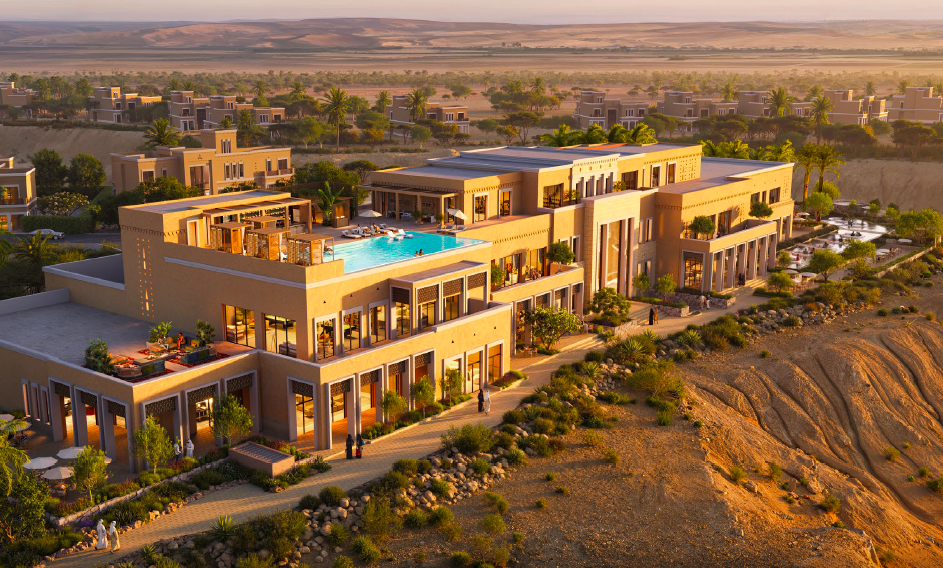
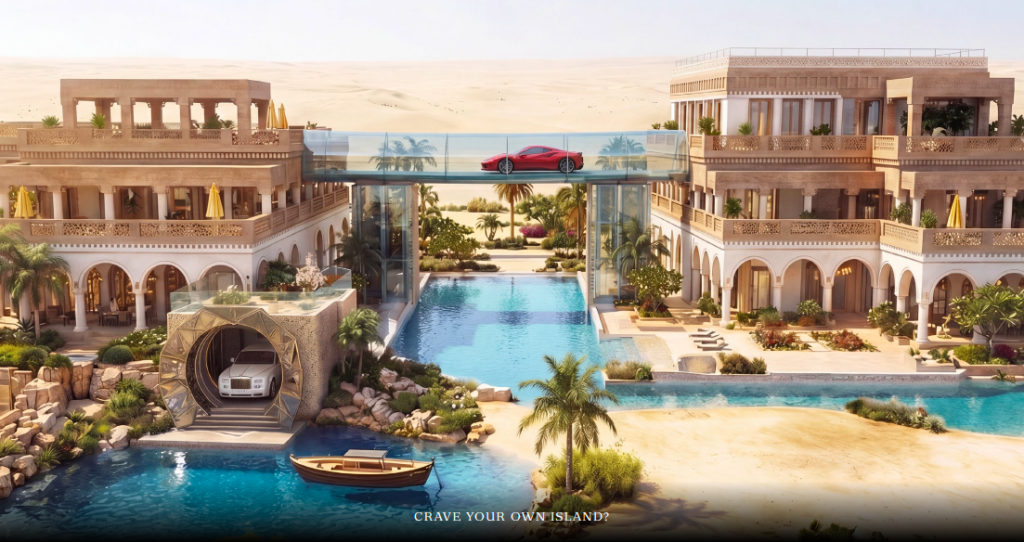
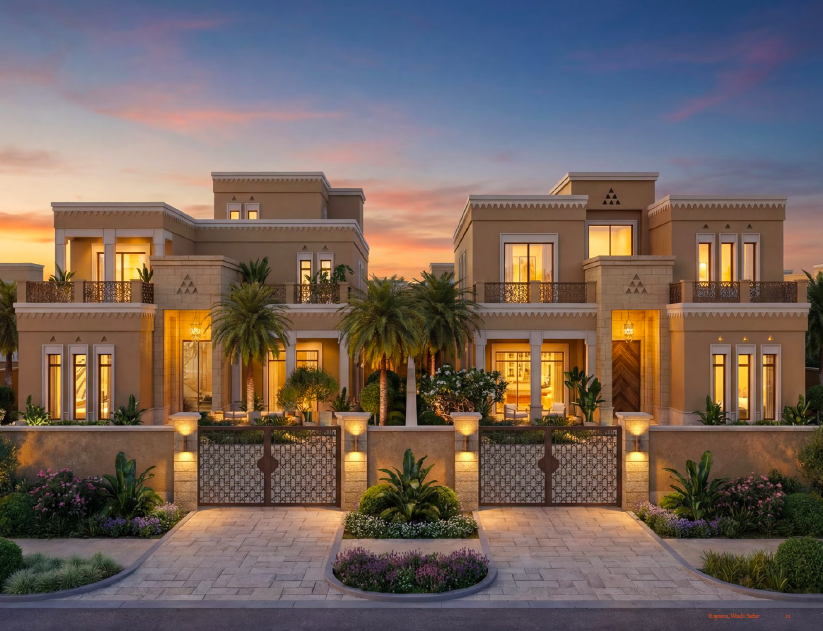


 property@offplandubai.ae
  +44 7595 715 264